Australia has announced a temporary reduction in petrol taxes as part of an emergency effort to ease the financial strain on households following rising global energy prices tied to tensions involving Iran.
Prime Minister Anthony Albanese confirmed that the government will halve the fuel excise on petrol and diesel, a move designed to bring immediate relief to motorists facing sharp increases at the pump. The measure will remain in effect for a limited period, signaling a short-term intervention rather than a permanent policy shift.
The decision comes as global oil markets react to instability in the Middle East, where fears of supply disruptions have pushed prices higher. Although geographically distant, Australia is not insulated from these developments. As a nation that depends significantly on imported refined fuel, it is particularly exposed to international price fluctuations.
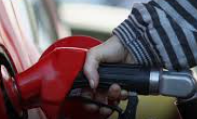
By lowering the fuel tax, the government aims to directly reduce retail petrol prices, offering some breathing room to consumers and businesses already dealing with broader cost-of-living pressures. Transport and logistics sectors are expected to benefit immediately, as fuel expenses represent a major component of operational costs.
Officials say the move is also intended to prevent the ripple effects of higher fuel prices from spreading across the economy. Rising transport costs often translate into increased prices for goods and services, adding to inflationary pressures. By intervening early, policymakers hope to limit these secondary impacts.
However, the policy has sparked debate among economists and energy analysts. Some argue that while the tax cut provides short-term relief, it does little to address the underlying issue of global supply instability. Others warn that lowering fuel costs could encourage higher consumption at a time when supply remains uncertain, potentially complicating the broader energy situation.
Supporters of the measure counter that governments must act decisively in moments of external shock. They view the tax reduction as a practical step to protect citizens from circumstances beyond national control, particularly when geopolitical tensions are driving economic hardship.
The move also highlights the interconnected nature of today’s global economy. Events unfolding in one region—especially those involving major energy producers—can quickly impact countries across the world. In this case, tensions involving Iran have once again demonstrated how sensitive global markets are to geopolitical risk.
For Australia, the situation raises longer-term questions about energy resilience. The country has been working to strengthen its energy security, including efforts to diversify supply and invest in alternative energy sources. However, the current crisis underscores the ongoing reliance on global fuel markets and the vulnerabilities that come with it.
The government has indicated that the tax cut will be reviewed as conditions evolve. If global prices stabilize, the policy may be rolled back as planned. If not, further interventions could be considered, depending on the severity and duration of the economic impact.
In the meantime, the measure is expected to provide immediate, visible relief to consumers, even if only temporarily. For many households, lower fuel costs can make a meaningful difference in daily expenses, particularly in a climate of rising prices.
As the global situation continues to unfold, Australia’s response reflects a broader challenge facing governments worldwide: how to balance short-term economic relief with long-term stability in an increasingly unpredictable environment.
The decision by Anthony Albanese and his administration underscores the urgency of the moment—and the reality that in today’s interconnected world, distant conflicts can quickly become domestic economic concerns.