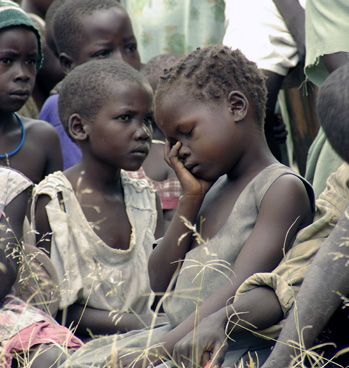
Sudan’s civil war continues to escalate, with humanitarian conditions worsening sharply across Darfur, Kordofan and other regions. Recent assessments by international agencies confirm a combination of famine, mass displacement, intensified fighting and collapsing public services — marking one of the world’s worst crises in 2025.
Famine Confirmed in El Fasher and Kadugli
A United Nations–backed food security monitoring system has officially confirmed famine conditions in El Fasher, the capital of North Darfur, and Kadugli in South Kordofan. These are the first confirmed famine zones since the conflict spread nationwide.
Local markets have collapsed, supply routes have been cut off, and families report surviving on leaves, animal feed and unsafe water. Aid convoys remain unable to safely enter many parts of Darfur due to heavy fighting.
Wave of Mass Displacement
Following the fall of El Fasher to the Rapid Support Forces (RSF), more than 36,000 civilians have fled surrounding towns and villages. Many are moving toward Tawila, Mellit, and the Chad border in search of safety.
Humanitarian agencies warn that displacement is accelerating as both sides intensify operations, and that overcrowded camps are running out of food, medicine and shelter.
Escalation of Airstrikes Across Kordofan
The Sudanese Armed Forces (SAF) have increased airstrikes in North and West Kordofan, targeting RSF-controlled towns. Witnesses describe destruction of homes, markets and civilian infrastructure. Rights groups say the scale of bombardment raises concerns about possible war crimes.
Humanitarian System Near Collapse
International agencies report that the humanitarian response in Sudan is “on the brink of operational shutdown” due to:
- severe insecurity restricting access
- empty warehouses and blocked supply routes
- drastically reduced medical stocks
- thousands of aid workers unable to move safely
Less than half of Sudan’s health facilities still function, and outbreaks of disease — including cholera — continue to grow.
Conditions Set for Possible Truce
Sudanese military authorities say they may consider a ceasefire only if the RSF withdraws from civilian areas and agrees to disarm. Analysts believe these conditions are unlikely to be met in the short term, making a political settlement difficult.
Cholera Epidemic Worsens
Sudan is also battling an expanding cholera outbreak, with more than 120,000 suspected cases nationwide. Poor sanitation, contaminated water sources and destroyed health infrastructure have made containment extremely challenging.
Doctors warn that cholera, combined with famine, could lead to mass casualties in the coming weeks.
Humanitarian Need at Record Levels
More than 30 million people — the majority of the population — now require urgent humanitarian assistance. Children in Darfur and Kordofan face the highest risk, with acute malnutrition rapidly increasing.
References
- Hunger monitor confirms famine in El Fasher and Kadugli — Reuters Reuters
- Famine conditions confirmed in Sudan — WFP / FAO / UNICEF World Food Programme
- Famine conditions confirmed by UNICEF in El Fasher and Kadugli UNICEF+1
- Over 36,000 displaced after El Fasher fall — The Guardian The Guardian
- UN warns over 21 million facing acute food insecurity — Sudan Tribune Sudan Tribune
- Cholera outbreak report — UNICEF flash update UNICEF