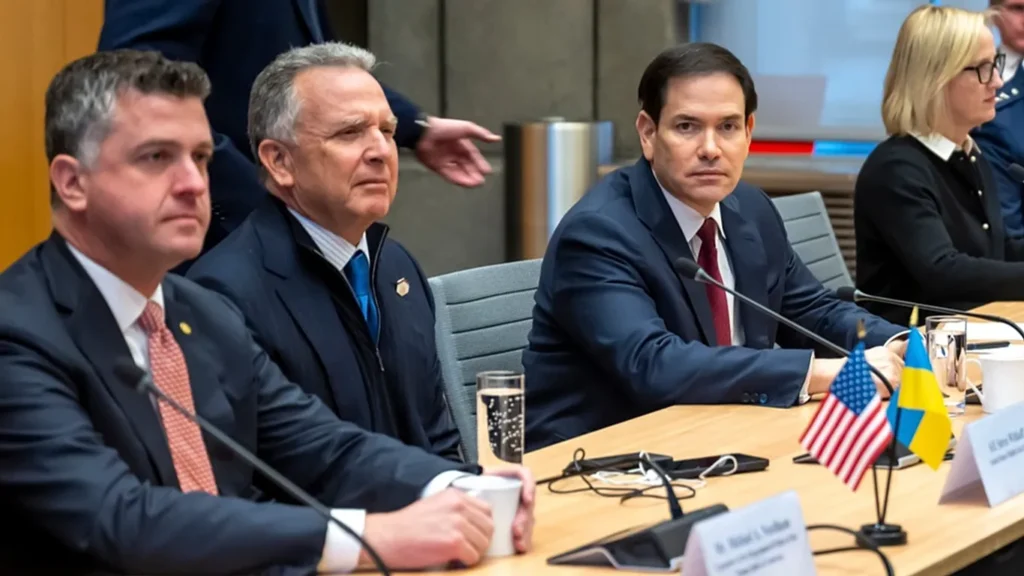
In a significant shift that has raised cautious optimism across the international community, U.S. and Ukrainian delegations have reported meaningful progress toward ending Russia’s invasion of Ukraine following high-level negotiations in Geneva. While no final agreement has been reached, diplomats from both sides describe the talks as “substantive,” “focused,” and “the most constructive phase of dialogue in months.”
A New Tone in Geneva
Sources close to the negotiations say the Geneva meetings were markedly different from previous rounds: less posturing, more problem-solving. U.S. officials reportedly pushed for concrete steps to reduce frontline tensions, including localized ceasefires, humanitarian access corridors, and a framework for broader security guarantees.
Ukrainian negotiators emphasized the country’s non-negotiable priorities: territorial integrity, long-term security, prisoner exchanges, and an internationally monitored peace process. According to diplomatic aides, the discussions reflected a growing recognition that a prolonged conflict benefits no one—not Ukraine, not Europe, not global stability.
What “Progress” Actually Means
While the delegations refrained from offering specifics, several key areas reportedly saw movement:
1. Humanitarian Coordination
Both sides agreed on a preliminary mechanism to expand humanitarian assistance, allowing aid organizations greater access to conflict-affected regions. This includes medical deliveries, civilian evacuations, and winterization support for vulnerable communities.
2. Security Architecture
The delegations explored options for a post-war security framework—one that strengthens Ukraine’s defenses while reducing the risk of future escalations. Though the details remain confidential, U.S. negotiators described these discussions as “serious and technically productive.”
3. Economic Stabilization
Talks also touched on reconstruction planning, emphasizing international investment, anti-corruption safeguards, and long-term economic bridges between Ukraine and Western financial institutions.
4. Dialogue Channels
One of the most important outcomes isn’t a clause—it’s a commitment. Both delegations agreed to maintain continuous diplomatic channels, with several follow-up rounds already scheduled.
What’s Driving the Momentum?
The Geneva breakthrough reflects shifting dynamics:
- Ukraine’s determination to secure a sustainable path toward peace without compromising sovereignty.
- Washington’s urgency to prevent the conflict from triggering broader geopolitical instability.
- International pressure, particularly from Europe, for meaningful steps toward de-escalation as the humanitarian and economic impacts widen.
- Russia’s evolving battlefield position, which—while not discussed publicly—may be influencing diplomatic calculations.
Caution Still Prevails
Despite hopeful signals, diplomats stress that the road to a full settlement will be long and fraught with obstacles. Territorial questions, security guarantees, and the role of international monitors remain deeply contested issues.
“Progress doesn’t mean peace is imminent,” one senior U.S. official said. “But it means the door is no longer closed.”
Why This Matters
For millions of Ukrainians still living under threat, for European nations navigating an energy and security crisis, and for a global system strained by war-driven instability, even incremental diplomatic movement offers a critical lifeline.
Geneva may not have produced a final peace—but it has revived the possibility of one.
References
- “US, Ukraine say they have an ’updated and refined’ peace framework …” — Reuters Investing.com
- “In Geneva, US and Ukraine officials report progress …” — AP News AP News
- “US hails ‘tremendous progress’ … but says negotiators ‘need more time’” — Sky News Sky News
- “U.S., Ukraine say Geneva talks make ‘progress’ but differences remain” — CGTN CGTN News
- “US, Ukraine Tout ‘Peace Framework’ …” — Kyiv Post Kyiv Post
- “Geneva talks marked ‘most productive, meaningful meeting’ …” — The New Indian Express newindianexpress.com