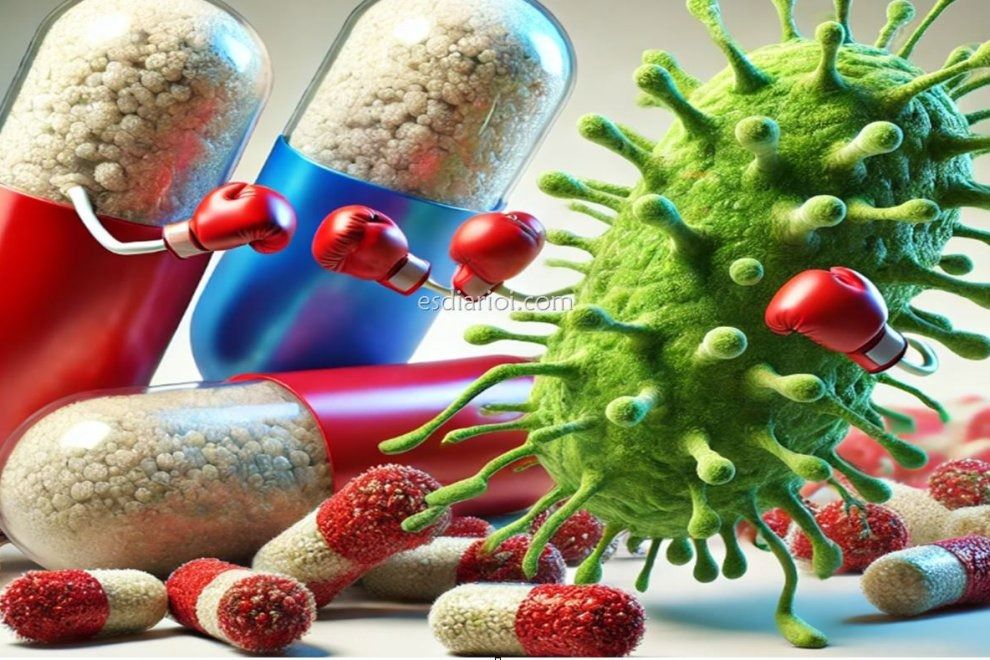
Global health is facing a crisis that is less visible than pandemics but potentially more devastating: antimicrobial resistance (AMR). This occurs when bacteria, viruses, fungi, and parasites evolve to resist the drugs designed to kill them. Without urgent action, routine infections could once again become deadly, surgeries could become high-risk, and modern medicine as we know it could unravel.
🌍 Why AMR Matters
Antimicrobial resistance is not a distant problem—it is already here. According to the World Health Organization, AMR causes millions of deaths annually worldwide, with projections suggesting that by 2050, it could claim 10 million lives per year if unchecked.
Key impacts include:
- Healthcare collapse: Common infections like pneumonia or urinary tract infections may become untreatable.
- Economic burden: AMR could cost the global economy trillions due to lost productivity and healthcare expenses.
- Threat to medical advances: Procedures like chemotherapy, organ transplants, and caesarean sections rely on effective antibiotics.
🏛️ The Role of Good Governance in Combating AMR
Governments and institutions hold the responsibility of leading the fight against AMR. Good governance ensures that policies are not only created but effectively implemented.
Critical governance actions include:
- Strengthening surveillance systems to track resistant infections.
- Investing in research and innovation for new antibiotics and alternative treatments.
- Regulating antibiotic use in healthcare and agriculture to prevent misuse.
- Global collaboration to share data, resources, and strategies across borders.
- Public health education campaigns to raise awareness about responsible antibiotic use.
👥 The Importance of Good Followership
Citizens, healthcare workers, and communities are equally vital in this fight. Good followership means embracing responsibility and supporting initiatives that protect public health.
Examples of responsible followership include:
- Using antibiotics only when prescribed by a qualified professional.
- Completing prescribed doses to prevent partial resistance.
- Avoiding self-medication and counterfeit drugs.
- Supporting sustainable farming practices that reduce antibiotic overuse in livestock.
- Advocating for stronger health policies and holding leaders accountable.
🔗 A Symbiotic Battle
Just as with governance and development, the fight against AMR requires synergy between leaders and followers. Governments must provide frameworks, but citizens must act responsibly. Without this partnership, progress will stall, and the health of future generations will be jeopardized.
🌱 Safeguarding the Future
The ultimate goal is to preserve the effectiveness of life-saving medicines for generations to come. By combining strong governance with responsible followership, societies can slow the spread of resistance, protect medical advances, and secure a healthier future.
✨ Conclusion
Antimicrobial resistance is a global health emergency that demands collective action. Good governance provides the vision and infrastructure, while good followership ensures compliance and sustainability. Together, they form the bedrock of resilience against one of the greatest health challenges of our time.