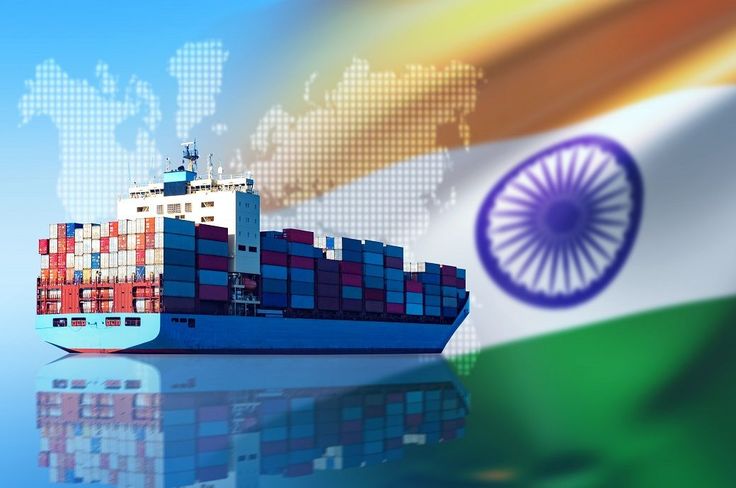
India, the world’s largest rice exporter, is capitalising on record monsoon yields to target emerging markets and diversify its export portfolio.
India is turning a favourable monsoon season into strategic advantage in global rice trade. With production soaring to a record 146.1 million tons in the crop year ending June 2025—well above domestic demand of around 120.7 million tons—exporters and policymakers alike are seizing the moment.
A New Export Push
According to Indian Rice Exporters Federation (IREF), India, which already supplies approximately 40 % of global rice exports, is now actively pursuing deals with buyers in underserved markets such as Iraq, Indonesia and Saudi Arabia.
Exporters have identified 26 new markets, including Japan, Mexico and Vietnam, where they aim to displace competitors like Thailand and Pakistan by offering tailored rice grades suited to local preferences.
The surge in output is the product of above‑average monsoon rainfall combined with strengthened irrigation infrastructure and improved agronomic practices.
Business Standard
Surprisingly high stockpiles in government warehouses have also created pressure to move rice into export channels. This dual logic—strong supply + urgent need to relieve domestic inventories—is driving the export surge.
For India’s farmers and exporters, this means new revenue opportunities. For global food markets, particularly in emerging economies, it signals greater availability of Indian rice varieties and potentially more competitive pricing.
With this strategy, India is not merely reacting to surplus—it is repositioning itself. By diversifying its export geography and capitalising on its production scale, India is reinforcing its leadership in the global rice trade and extending its influence in food security chains.
At the upcoming Bharat International Rice Conference 2025 (BIRC) in New Delhi, the government and industry representatives will present these ambitions to international buyers and stakeholders, amplifying the narrative of India as a global rice hub.
Nonetheless, this path is not without obstacles. Market access, logistics, quality differentiation, and compliance with varied import regulations remain real barriers. India must sustain export logistics, maintain price competitiveness, and adapt to buyer‑specific requirements if the promise of expansion is to be realised.
In an era when food security is global, India’s bold export push is an exemplar of supply‑side advantage meeting strategic vision. A country once navigating shortfalls is now exporting not just rice, but trust, variety and scale.
IndiaExports #RiceTrade #GlobalAgriculture #FoodSecurity #IndiaEconomy #EmergingMarkets #AgriTrade