
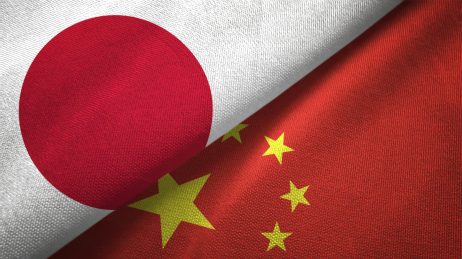
Japan and China are embroiled in a rapidly escalating diplomatic confrontation, triggered by comments from Japanese Prime Minister Sanae Takaichi regarding Taiwan. What started as a strategic statement has spiraled into a broader political and economic showdown — with serious implications for trade, tourism, and regional stability.
The Spark: Takaichi’s Taiwan Remarks
Earlier this month, Prime Minister Takaichi stated in Japan’s parliament that a Chinese military attack on Taiwan could pose an “existential threat” to Japan, potentially justifying the use of force by Japanese self-defense forces under collective-defense laws. These comments mark a stark shift in Japan’s tone, breaking with its long-standing “strategic ambiguity” policy toward Taiwan. Beijing was quick to respond, demanding that Takaichi retract her remarks.
China’s Response: Economic and Diplomatic Retaliation
In a strong countermeasure, China announced a suspension of all Japanese seafood imports. At a press briefing, Chinese Foreign Ministry spokesperson Mao Ning said there is “no market for Japanese seafood” under the current diplomatic climate. Beijing also issued a travel advisory, urging its citizens to avoid visiting Japan. The advisory has already led to mass cancellations of flights and major disruptions in cultural and academic exchanges. Japan formally protested the advisory, with Chief Cabinet Secretary Minoru Kihara calling for continuity in bilateral communication.
Strategic & Security Underpinnings
The tension is not just economic — security dynamics are now central:
- Territorial Posturing: China has increased its coast guard presence around the disputed Senkaku / Diaoyu Islands, heightening maritime friction.
- Military Messaging: Analysts interpret Beijing’s hard-line response as a warning that any perceived Japanese tilt toward Taiwan intervention could carry steep costs.
Broader Implications
- Economic Fallout for Japan: The seafood export industry, once a major seller to China, could face serious losses.
- Tourism and Soft Power Impact: Travel disruptions and canceled cultural exchanges are straining Japan’s tourism revenues and soft power influence.
- Diplomatic Fracture Risk: The move threatens to reverse recent diplomatic engagement, potentially undermining channels that were being rebuilt.
- Regional Security Risk: Further escalation could destabilize regional security, particularly around Taiwan.
What to Watch Next
- Whether Japan issues a diplomatic apology or holds firm on Takaichi’s remarks.
- Whether China intensifies economic retaliation beyond seafood.
- Potential involvement of other powers, such as the U.S. or Taiwan.
- How Japan’s business sectors, particularly fisheries and exporters, adapt to these disruptions.
In Summary: What began as a provocative political comment has now triggered a full-blown diplomatic crisis. China is leveraging economic measures and travel advisories to push back against Tokyo, and the stakes have moved from rhetoric to tangible economic and strategic consequences. Japan must balance its security posture with preserving critical economic ties in an increasingly tense region.
References
- Reuters, “Japanese seafood caught up in escalating diplomatic dispute with China,” 19 November 2025.
- Washington Post, “China punishes Japan’s new leader with harsh words and economic pain,” 19 November 2025.
- The Guardian, “China sends coast guard to Senkaku islands amid row with Japan,” 16 November 2025.
- Time, “What to Know About Japan and China’s Spat Over Taiwan,” 19 November 2025.
- Al Jazeera, “China to suspend imports of Japanese seafood amid diplomatic row,” 19 November 2025.