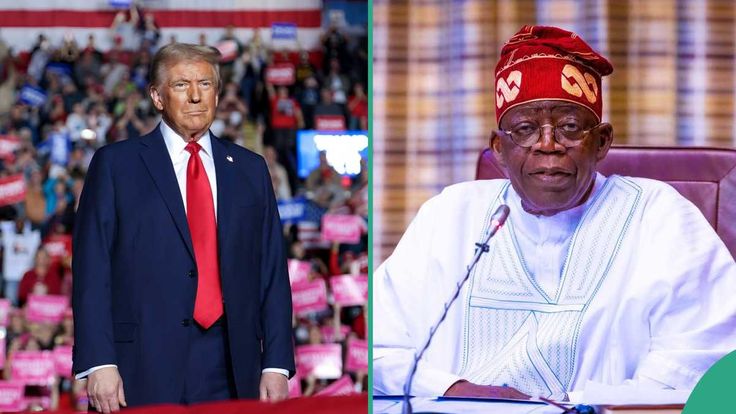
Today, the relationship between the United States and Nigeria entered a significant phase as the U.S. Congress intensified its focus on issues of religious freedom, insecurity, and counterterrorism in Nigeria.
The U.S. House Subcommittee on Africa is holding a major hearing to examine allegations of Christian persecution and broader insecurity across Nigeria. This comes in the wake of Nigeria’s re-listing as a “Country of Particular Concern” over religious freedom violations.
A high-level Nigerian delegation, led by National Security Adviser Nuhu Ribadu, also met with U.S. Congressman Riley M. Moore in Washington. Discussions centered on deepening collaboration against terrorism and addressing concerns about attacks on Christian communities. Congressman Moore emphasized the need for tangible steps from Nigeria to safeguard vulnerable groups.
Meanwhile, the U.S. is reportedly weighing sanctions and considering expanded Pentagon engagement to support security efforts in Nigeria. This signals a stronger and more assertive U.S. posture on Nigeria’s human rights and security challenges.
The U.S. chapter of Nigeria’s ruling APC has also requested to testify before Congress, aiming to provide data that reframes the narrative around Nigeria’s insecurity as multi-dimensional—driven not only by religious tensions but also by banditry, resource conflicts, and socioeconomic pressures.
In response to these growing international dynamics, the Nigerian government has arranged a training program for 50 Senators and Representatives on how to more effectively navigate U.S. foreign policy and engage lawmakers in Washington.
Overall, today’s developments highlight a critical moment in U.S.–Nigeria relations, with both nations recognizing the need for deeper cooperation, clearer communication, and decisive actions to address ongoing security and human rights concerns.