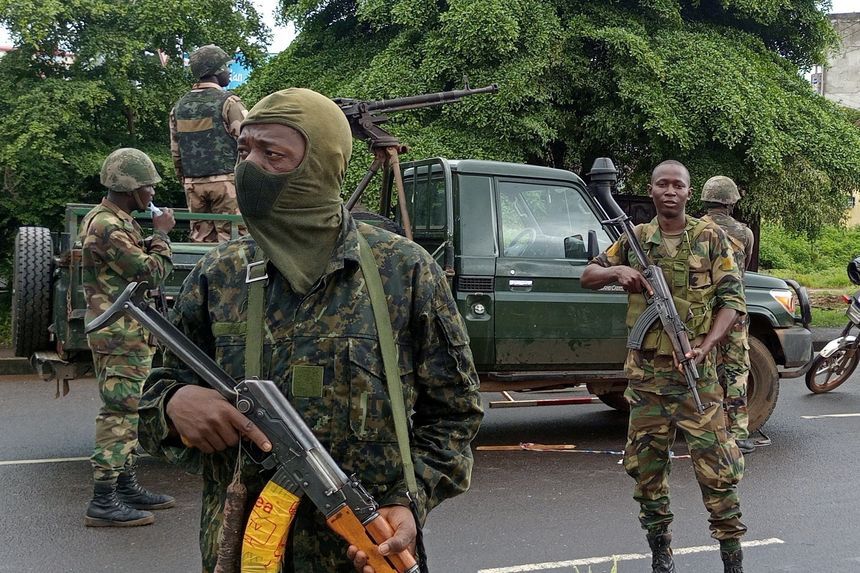
A dramatic turn of events unfolded in Guinea-Bissau on 26 November 2025, when army officers announced they had seized power and detained President Umaro Sissoco Embaló — just days after a contested presidential and legislative election.
🔥 What Happened: Coup in the Making
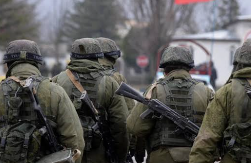
Gunfire erupted near the presidential palace and the headquarters of the electoral commission in the capital, Bissau. Shortly after, soldiers stormed the presidential palace and arrested the president.
The military appeared on state television to declare they had taken “total control” of the country. They suspended the electoral process, closed all land, air and sea borders, and imposed a curfew. A new governing body — the High Military Command for the Restoration of Order — was announced to lead the nation “until further notice.”
📉 Why It Matters — Guinea-Bissau’s Repeated Instability
Guinea-Bissau has a long history of political turbulence. Since independence from Portugal in 1974, the country has endured several coups and attempted takeovers. This 2025 takeover marks yet another blow to its fragile democracy.
This abrupt seizure of power occurred while the official election results were still pending — an already tense situation made even more volatile by both leading candidates claiming victory. The power grab injects serious uncertainty into the country’s future, which was already fragile due to weak institutions and ongoing political conflict.
🌍 What This Means Regionally & Globally
- Democratic setback: This coup disrupts a democratic process just as official results were expected — a blow to norms around peaceful transfers of power.
- Regional instability risk: Countries in West Africa and beyond may view this as a precedent, raising fears about a resurgence of military interventions.
- International alarm: As a strategically located Atlantic–facing state, instability in Guinea-Bissau could draw global attention — from regional bodies to international powers — and might affect diplomatic relations, trade, and security cooperation.
- Human cost: Political chaos almost always worsens economic, social, and humanitarian conditions — ordinary citizens are likely to bear the brunt through uncertainty, potential displacement, and disruption of services.
📝 The Big Questions Ahead
- Will the military allow a return to civilian rule, or will this takeover be prolonged indefinitely?
- What will happen to the election — will results be annulled, postponed, or ignored entirely?
- How will regional organizations and global powers respond — via sanctions, mediation, or diplomatic pressure?
- What systemic reforms can prevent future cycles of coups and instability in Guinea-Bissau?
References
- Army officers say they have seized power in Guinea-Bissau (Reuters, 26 Nov 2025) Reuters
- Guinea-Bissau military officers seize power, take over capital (BusinessDay NG, 26 Nov 2025) Businessday NG
- Soldiers in Guinea-Bissau announce on state TV they have taken power (WUFT / AFP report, 26 Nov 2025) WUFT+1
- Gunfire in Bissau, president detained as military declares “total control” (BBC / multiple reports, 26 Nov 2025) BBC News Feeds+2Al Bawaba+2
- Background: 2025 Guinea-Bissau coup d’état — timeline and history of instability since independence (Wikipedia) Wikipedia+1