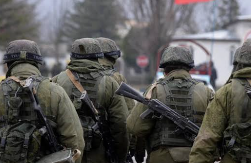
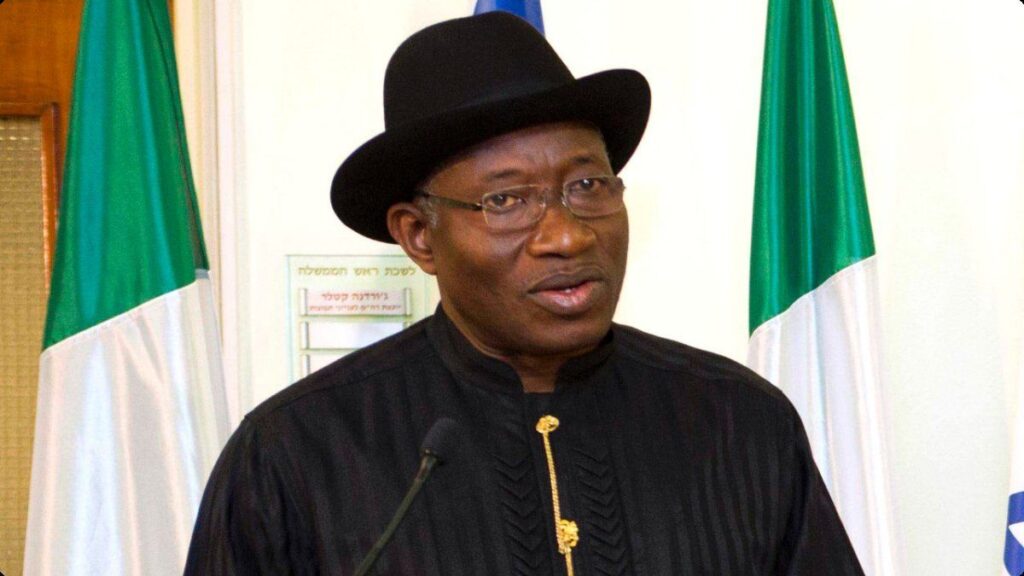
On November 26, 2025, a sudden military takeover in Guinea-Bissau brought its presidential election process to an abrupt halt. Not only was the democracy of the nation in peril — but a delegation of international observers, including former President Goodluck Jonathan, found themselves stranded as the junta seized control, shut the country’s borders, and shut down flights.
Jonathan was in the country as part of a 36-member observer mission organized by the African Union (AU), the Economic Community of West African States (ECOWAS), and the West African Elders Forum (WAEF), sent to monitor Guinea-Bissau’s presidential and legislative elections. Their team had just completed meetings with the leading candidates, who had publicly pledged to accept the outcome — yet before results could even be announced, the military declared a coup.
The coup has forced international observers — longtime champions of democracy and stability in Africa — from the role of guarantors into that of detainees of circumstance. Former President Jonathan, along with his peers, is now caught up in crisis, waiting for safe evacuation while the political future of Guinea-Bissau hangs in the balance.
What Happened: The Coup and Its Immediate Fallout
- On the eve of election result announcements, military officers in Guinea-Bissau declared they had taken “total control,” suspended the electoral process, and shut down borders and airspace.
- The seizure disrupted not just the domestic political order — it jeopardized the safety of dozens of foreign dignitaries and election observers who had gathered in the country. Flights out were cancelled, airports closed, and there was no functioning civil authority to arrange evacuations.
- In a joint statement, the observer mission — headed by leaders including Jonathan — condemned the coup, deploring the derailment of the democratic process and calling for immediate release of detained electoral officials. They urged the AU and ECOWAS to act to restore constitutional order.
The Reaction at Home: What Nigeria’s House of Representatives Demanded
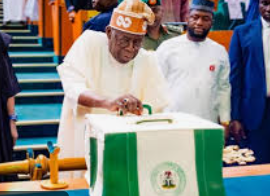
Back in Nigeria, the national legislature responded swiftly. The House of Representatives passed a motion urging the federal government to marshal all diplomatic channels to ensure Jonathan’s safe return — and by extension, to help evacuate any Nigerian nationals currently trapped in Guinea-Bissau.
During plenary, lawmakers emphasized that while the coup itself is an international concern, the immediate priority must be the safety of Nigerian citizens abroad — regardless of their status or position.
The urgency was underscored by the fact that the coup — by shutting borders and suspending flights — has left many foreigners stranded, without clear exit plans.
Why This Matters: Broader Implications for Democracy, Diplomacy, and Regional Stability
⚠️ A Blow to Democratic Norms in West Africa
Guinea-Bissau’s coup is a stark reminder of how fragile democracy remains in parts of West Africa. The interruption of an almost-completed election — especially after observers had certified the process as peaceful and well-managed — undermines trust in electoral institutions, and weakens the credibility of democratic transitions.
🌍 Risk to International Observers & Diplomacy
International observers — former presidents, envoys, civil-society leaders — often risk their personal safety to monitor elections, hoping to safeguard fairness and transparency. When situations degrade so quickly, these individuals may themselves become victims of political instability — a worrying development for regional democracy promotion.
🇳🇬 Repercussions for Nigeria and Its Citizens Abroad
That a former Nigerian head of state can be “stranded” abroad underlines how international crises can quickly become domestic political issues. The call from the House for diplomatic intervention sends a strong message: every Nigerian citizen — even a former president — deserves prompt protection and evacuation in foreign emergencies.
🔁 A Test of Regional Institutions and Solidarity
The involvement of the AU and ECOWAS in condemning the coup, demanding restoration of order, and advocating for observers’ safety — shows both the potential and limits of regional blocs. Their next steps will be crucial: whether they push for sanctions, mediation, or other interventions may influence democratic resilience across West Africa.
For Jonathan and the Observers: Waiting for Safe Exit — and Accountability
For now, the stranded observers — including Goodluck Jonathan — remain in limbo. Hotels may offer temporary shelter; some are reportedly safe.
But safety in a coup-hit country is fragile. There is no guarantee when (or if) flights will resume, nor whether border reopenings will be orderly. The longer the military remains in control, the harder evacuation becomes — especially if the junta imposes curfews or travel bans.
Beyond personal safety, there is the question of accountability. The observers’ joint statement demanded release of detained officials and continuation of the electoral process. But without institutional checks, there is no certainty the coup leaders will honor international pressure.
For democratic activists, this moment is a call to redouble efforts — and for ordinary Africans, a reminder: democracy can be fragile, and the defence of it often comes at a personal cost.
Conclusion: A Crisis for Guinea-Bissau — A Call for Regional Solidarity
The unfolding crisis in Guinea-Bissau — and the predicament of Goodluck Jonathan and other observers — is more than a news headline. It is a test of regional institutions, of international solidarity, of the commitment to democracy, and of how nations protect their citizens abroad.
For Nigeria, the call from the House of Representatives is clear: use diplomacy, insist on safe passage, and ensure no Nigerian is left behind.
For Guinea-Bissau, the message from the international community is firm: unconstitutional power grabs violate the will of the people — and will not be tolerated.
For West Africa, and Africa as a whole: stability, democracy and human dignity remain worth fighting for — but only if nations stand by their principles, and by one another.
📄 Key References
- “Former Nigeria President Jonathan, Others Trapped In Guinea-Bissau As Military Announces Coup” — Arise News Arise News
- “West Africa bloc, African Union observers voice concern over Guinea-Bissau coup” — Reuters Reuters
- “Soldiers in Guinea-Bissau appear on state television saying they have seized power” — AP News AP News+1
- “Ex-president Jonathan, other AU-ECOWAS observers stranded in Guinea-Bissau after coup” — PoliticsNGR / PoliticsNigeria Politics Nigeria+1
- “Goodluck Jonathan, other African leaders trapped in Guinea-Bissau after military coup” — BusinessDay Nigeria Businessday NG
- “Jonathan among African leaders stranded in Guinea-Bissau after coup” — TheCable TheCable
- “Jonathan, other African leaders trapped in Guinea-Bissau as Military Announces Coup” — THISDAYLIVE THISDAYLIVE
- “Reps urges FG to bring back President Jonathan from Guinea-Bissau” — TVC News / related reportage Trending News+1
- “Jonathan held up in Guinea-Bissau after military takes over govt” — Pulse Nigeria Pulse Nigeria
- “Unfortunate, Nigeria condemns coup in Guinea-Bissau, demands restoration of constitutional order” — Channels Television Channels Television+1