
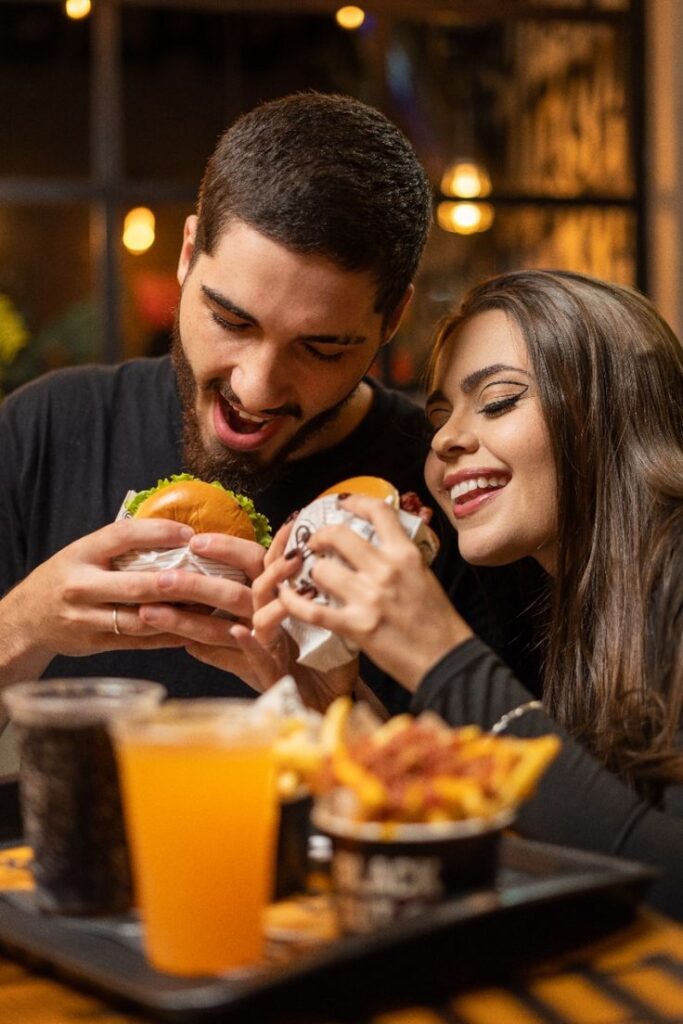
Fast food has become a symbol of modern convenience. With busy lifestyles, global expansion of major food chains, and enticing marketing strategies, grabbing quick meals on the go has become a routine — even a social culture — among younger generations.
But behind the speed, affordability, and exciting flavors lies a growing public-health concern.
🚀 Why Young People Are Adapting Faster Than Ever
Teenagers and young adults are the largest consumers of fast food because:
- They love convenience in a fast-paced world
- They are drawn to trendy food advertising and influencer culture
- Prices are cheap compared to home-cooked meals
- It offers a sense of belonging — “Let’s hang out and eat out”
This lifestyle has become so accepted that unhealthy eating patterns now feel normal.
⚠️ The Hidden Health Risks
Fast food is typically loaded with:
- Excess fat, salt, and sugar
- Highly processed ingredients
- Chemical preservatives
- Empty calories with little nutrition
Over time, this contributes to:
- Obesity and weight-related insecurities
- Type 2 diabetes in younger ages
- Heart problems earlier in life
- Digestive and liver issues
- Low energy and poor concentration in school or work
The body pays the price for what the taste buds enjoy.
📱 Social Media + Fast Food = Powerful Manipulation
Food companies spend billions on marketing — especially through:
- TikTok and Instagram challenges
- Influencer partnerships
- Colorful packaging and youth-targeted ads
The message?
“Fun, quick, cool — and everybody’s doing it.”
It’s emotional marketing at its strongest — and it’s working.
🧠 The Mental-Health Link
What we eat affects how we feel.
Frequent fast-food consumption is linked to:
- Mood swings
- Stress eating
- Low motivation
- Higher risk of depression
The mind and stomach are connected — both are being harmed.
🧩 Why This Global Acceptance Is Dangerous
When unhealthy habits become a culture:
- Future health declines
- Medical costs rise
- Life expectancy drops
- A generation grows up without knowing what healthy feels like
Today’s convenience becomes tomorrow’s crisis.
🌱 What Young People Can Do Differently
- Choose homemade meals whenever possible
- Add fruits and vegetables to daily diet
- Limit fast-food outings to occasional treats, not routine habits
- Learn healthy, budget-friendly recipes
- Promote a culture where wellness is cool
Healthy choices shouldn’t feel like punishment — they should feel like self-care.
🔍 Conclusion: A Taste of Today, A Risk for Tomorrow
Fast food may save time and bring excitement, but the long-term cost is far greater than the price on the menu. The world must rethink blind acceptance of this trend, especially for younger generations who are still developing minds, bodies, and lifelong habits.
It’s not about removing the fun — but restoring balance.
📚 References
- World Cancer Research Fund — “Limit fast foods” recommendation: highlights that diets high in fast/processed foods are a cause of overweight and obesity, increasing risk of related diseases. World Cancer Research Fund
- BMC Psychiatry — “Association between junk food consumption and mental health problems in adults: a systematic review and meta-analysis” (2024): found higher odds of depression and stress among heavy consumers of junk / fast foods. SpringerLink
- Fast-food consumption and body mass index in children and adolescents: an international cross-sectional study — large multi-country study linking frequent fast-food consumption to higher BMI among children, a risk factor for obesity later in life. PubMed
- The Impact of Fast Food on Adolescent Health: A Comprehensive Review — (2025) Review article summarizing evidence that fast food diets contribute to obesity, cardiovascular risk, metabolic disorders, and mental health issues among adolescents. jhmri.com
- Fast Food and Its Effects on Physical Health and Psychological Well‑Being — (2025) Qualitative research showing that regular fast food consumption is associated with weight gain, digestive issues, fatigue, mood swings, and reduced concentration among young adults. RSIS International+1