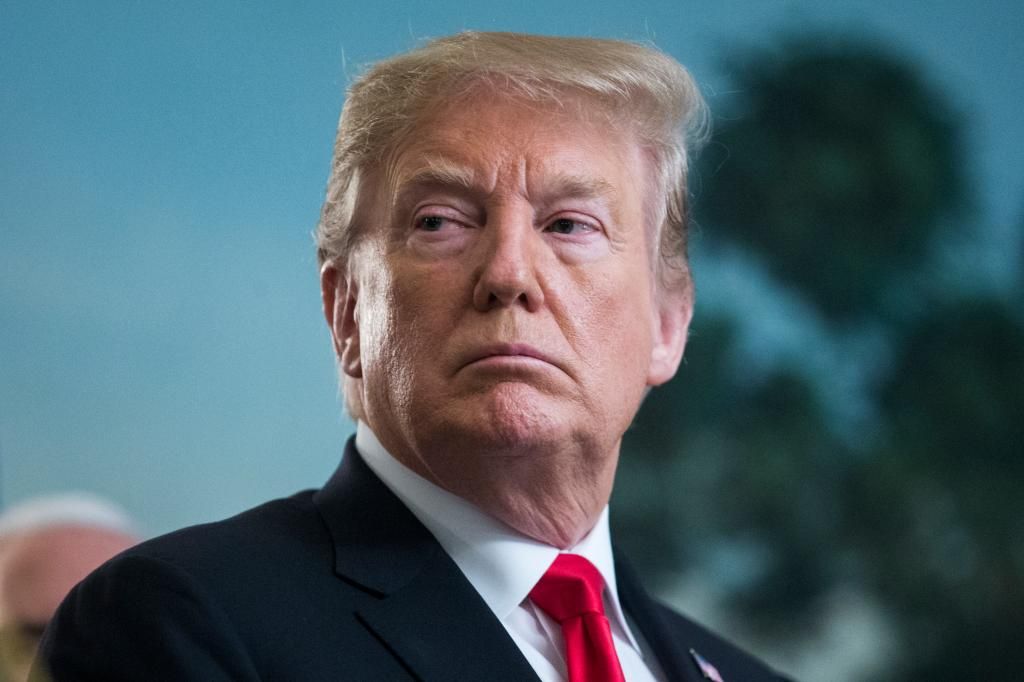
On 29 November 2025, U.S. President Donald J. Trump issued a public warning directing airlines, pilots, drug traffickers, human traffickers, and others to consider “the airspace above and surrounding Venezuela … closed in its entirety.”
The announcement comes against a backdrop of mounting tensions between Washington and Caracas, with the U.S. intensifying pressure on Venezuelan leadership over alleged drug-trafficking and narco-terrorism.
What Prompted the Declaration
- In the days before Trump’s announcement, aviation authorities warned airlines of a “potentially hazardous situation,” citing deteriorating security, rising military activity, and possible interference with navigation systems.
- Several international carriers temporarily suspended flights to Venezuela, citing risk and safety concerns.
- In response, Venezuelan aviation authorities revoked the operating rights of six major foreign airlines, accusing them of “joining the actions of state terrorism promoted by the United States.”
In that tense context, Trump’s “airspace closed” statement marks a sharp escalation — signaling to airlines and international actors that overflights of Venezuela should be avoided entirely.
Potential Implications
✈️ For Civil Aviation & Airlines
- Airlines with South American routes will likely reroute flights, increasing transit times and fuel costs. Some may avoid the region entirely until the situation stabilizes.
- Airlines currently serving Venezuelan destinations — or planning overflights — face a difficult decision: risk violating this advisory, or adjust operations to comply.
- Insurance, liability, and safety become major concerns if flights attempt to traverse Venezuelan airspace under these conditions.
🌐 Diplomatic & Geopolitical Fallout
- The unilateral U.S. advisory may be viewed by Caracas — and allies in Latin America — as a violation of Venezuelan sovereignty and international aviation norms.
- The move could deepen international isolation of Venezuela: fewer flights, less trade, reduced humanitarian and business connectivity.
- Increased risk of confrontation: with a heavy U.S. military presence in the Caribbean and prior strikes on vessels accused of drug trafficking, the airspace closure raises the stakes of any miscalculation or incident.
📉 Humanitarian & Economic Impact
- Venezuelans trying to travel internationally — for work, family, medical care — may face severe disruptions.
- Trade, tourism, and cargo operations could suffer, worsening economic hardship.
- The uncertainty may deter foreign investment, hinder supply chains, and deepen humanitarian challenges in a nation already facing socioeconomic strain.
What’s Still Unclear — And What to Watch
- Legal status: It remains unclear whether Trump’s declaration amounts to a formal no-fly zone under international law — or whether it’s a U.S. advisory without legal binding beyond U.S. airlines and pilots.
- Response from Caracas: As of now, there’s no public confirmation of how the Venezuelan government intends to respond — whether by denouncing, ignoring, or challenging the closure.
- Global reaction: How other countries and international aviation bodies respond will shape the broader consequences.
- Duration & follow-up: Will this be a short-term advisory tied to immediate anti-drug operations? Or a longer-term posture signaling deeper U.S.–Venezuela confrontation? The answer will influence whether airlines permanently avoid Venezuelan airspace.
Why It Matters
This move by the United States — instructing the world to regard Venezuelan airspace as closed — represents more than a security alert. It signals a new level of pressure on Venezuela from Washington: combining aviation control, economic isolation, and military threat.
For the people of Venezuela — and for international actors — the decision could reshape travel, commerce, and diplomacy in the region. And for global aviation and international law, it raises a thorny question: when does an advisory become a de facto blockade?
What to Watch Next
Developments in U.S. military operations or diplomatic efforts related to Venezuela.
Official response from the Venezuelan government and any counter-measures.
Actions by international airlines and whether they reroute or suspend flights long-term.
Statements or guidance from international aviation authorities regarding the legality and recognition of the closure.
📚 References
- “Trump says airspace above and around Venezuela should be considered closed.” Reuters, 29 November 2025. Reuters+2Dawn+2
- “Donald Trump says airspace above and around Venezuela is closed.” The Guardian, 29 November 2025. The Guardian
- “Venezuela airspace considered ‘closed in its entirety’, says Trump.” South China Morning Post, 29 November 2025. South China Morning Post
- “Donald Trump says consider airspace above and surrounding Venezuela closed.” Business Standard, 29 November 2025. Business Standard
- “Trump says Venezuelan airspace now ‘CLOSED’.” The Washington Examiner, 29 November 2025. Washington Examiner
- “Why has Venezuela banned six international airlines amid US tensions?” Al Jazeera, 28 November 2025. Al Jazeera+2The Guardian+2
- “Airlines cancel flights to Venezuela after FAA warns of worsening security, military activity.” Associated Press / major outlets, November 23–24, 2025. The Washington Post+2ABC News+2
- “Six major airlines halt Venezuela flights amid escalating security warnings.” AeroTime, 23 November 2025.