
As of late November 2025, catastrophic flooding and landslides across Indonesia’s Sumatra island have claimed 442 lives, with hundreds more still unaccounted for — a stark and tragic reminder of nature’s fury under worsening climate conditions.
What Happened
- A rare tropical system — combined with unusually heavy monsoon rains — battered the region, triggering massive floods and landslides in provinces including North Sumatra, West Sumatra, and Aceh.
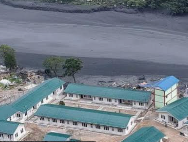
- Rivers overflowed, hillsides collapsed, and entire villages were engulfed by water and debris. Thousands of homes, public buildings and critical infrastructure — roads, bridges, communication lines — were destroyed or badly damaged.
- Many communities remain cut off because landslides and mudslides have blocked roads; rescue crews say search and recovery is difficult, especially in remote and hard-to-reach areas.
The Human Cost
Beyond the confirmed fatalities, the disaster displaced tens of thousands of people. Families now face the challenge of survival: lacking shelter, access to clean water, food, medicine, and basic services. Rescue efforts — carried out by air and sea in some cases — continue amid growing desperation.
Officials warn the numbers may still rise — many bodies may remain buried under mud or hidden in inaccessible areas, while missing persons might never be found under current conditions.
Why This Disaster Is Particularly Alarming
- The scale and intensity of the rainfall are beyond what local communities are used to, suggesting a shift in weather patterns that may be tied to broader climate change dynamics.
- Environmental degradation — including deforestation and loss of natural buffers like peatlands and forests — has worsened flood risks: without trees and healthy soil to absorb rainfall, water runs off quickly and violently.
- Disorganized urban and rural development, fragile infrastructure, and lack of early-warning systems make many settlements highly vulnerable to such disasters.
What Needs to Be Done — Now and in the Long Term
- Emergency Relief & Rescue — More resources must be mobilized: helicopters, boats, medical teams, clean water and food distributions, temporary shelters — especially in remote regions cut off by mudslides.
- Support for Displaced Families — Government and humanitarian agencies should provide shelter, sanitation, health care, food, and psychological support to survivors.
- Infrastructure & Resilience Planning — Rebuild roads, bridges and communication lines with flood-resistant materials; upgrade drainage systems; enforce safer building codes.
- Environmental Restoration — Reforestation, protection of peatlands and natural flood buffers — to reduce the severity of future floods.
- Climate Adaptation & Early Warning — Strengthen forecasting, community alerts, disaster-preparedness education; integrate climate risk into land-use planning.
A Call for Global Solidarity
This isn’t just Indonesia’s disaster — it’s a warning to the global community. Climate change and environmental mismanagement respect no borders. As nations worldwide witness increasing extreme weather events, solidarity, international support and shared responsibility become more urgent than ever.
For the families mourning lost loved ones, for displaced children and the vulnerable — what matters now is action, compassion, and lasting change.
References
- Indonesia floods death toll rises to 442 as people hunt for food and water — Al Jazeera Al Jazeera
- Indonesia floods leave 442 dead, search continues for hundreds missing — Yeni Şafak Yeni Safak
- Death toll from Sumatra floods rises to 442 — The Jakarta Post The Jakarta Post
- Indonesia floods: Toll rises to 442, over 400 still missing; warships deployed to reach stranded residents — Times of India The Times of India
- Indonesia floods: death toll climbs to 442, hundreds still missing — Barlaman Today Barlama Today