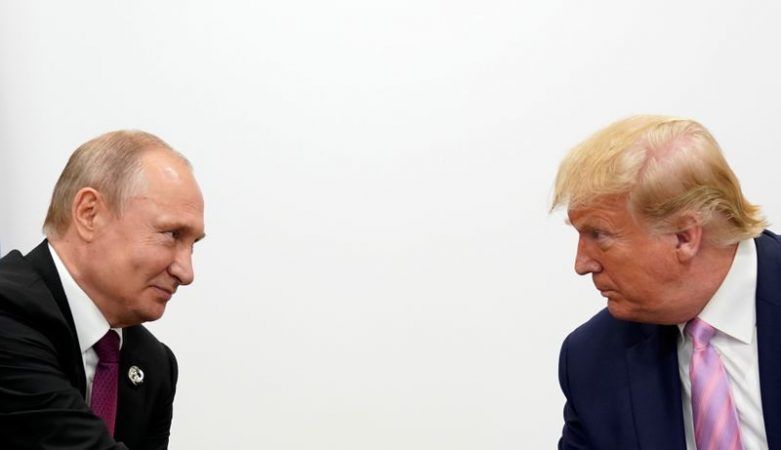
Recent diplomacy between Russia and the U.S. has been described by the Kremlin as “useful” and “constructive.” But the same Kremlin officials are also warning that despite hours of negotiations in Moscow, no agreement has yet bridged the huge divides over territory, security, and peace terms.
What Was Said — And Why It Matters
- A high-level meeting in Moscow involving U.S. special envoys and Russian leadership was called “useful, constructive and substantive” by top Kremlin adviser Yuri Ushakov.
- Despite the cordial tone, key issues — especially the fate of contested regions in Ukraine and such core questions as territorial control — remain unresolved. As Ushakov put it: no compromise has been found yet on those fundamentals.
- The Kremlin meanwhile has reiterated that Moscow believes any peace agreement must reflect Russia’s “red lines,” including demands on territorial outcomes and security guarantees.
The upshot: yes — diplomacy remains alive. But the diplomatic goodwill exists in a context of profound mistrust, divergent objectives, and what may be a very long road ahead if a durable peace is to be negotiated.
Why the Outcome Matters for Global Stability
- Preventing escalation — In a war simmering for years, any hope of diplomacy, however limited, keeps open the possibility of preventing further escalation, reducing civilian suffering, and avoiding broader regional destabilization.
- Setting the tone for negotiations — The fact that these talks happened at all signals that even in a highly polarized global atmosphere, dialogue remains the primary tool — for now. The tone, respect shown, and willingness to talk may yet influence future negotiations.
- Highlighting the central issue: territory — That the territorial question still stands as the single biggest roadblock tells the world what any realistic solution will hinge on: not just ceasefires — but long-term, enforceable agreement on borders, sovereignty, and security.
- Pressure on global alliances and regional players — As Russia, the U.S., Ukraine, and other stakeholders keep talking, global alliances such as those in Europe, and regional actors, will be watching closely. The stakes include not just Ukraine’s future — but the shape of European security architecture, global diplomacy norms, and post-war reconstruction possibilities.
What Could Happen Next — What to Watch
- Further negotiation sessions between Moscow and Washington — possibly at higher or even presidential level — to try to narrow differences.
- Continued debate over territorial demands and whether any acceptable compromise can be found (or whether Russia’s “red lines” remain non-negotiable).
- Potential intensification of diplomatic engagement with allies and third-party actors (European nations, international organizations) to press for mediation or guarantees.
- Meanwhile, the war on ground may continue — as military realities could shift faster than diplomatic breakthroughs.
Final Thoughts: Calm Words, High Stakes
The recent Kremlin-U.S. talks offer a rare moment of cautious optimism. The fact that both sides described the session as “useful” and “constructive” suggests that diplomacy — not just conflict — remains on the table.
But calling the talks “useful” doesn’t equal calling them successful. The stubborn gaps over core issues like territorial control underscore how far we still are from a peace deal. The coming days and weeks will show whether this is the beginning of a genuine negotiation process — or just another round of posturing before a fresh bout of violence.
For now, the world watches. And hopes.
✅ References
- “US-Russia talks on Ukraine were ‘constructive’ but work remains, Putin adviser says” — Associated Press (via multiple outlets) AP News+2euronews+2
- “Russia-U.S. talks on Ukraine peace plan end without breakthrough” — CGTN, reporting comments by Kremlin aide CGTN News
- “Ukraine war: No breakthrough in Russia-US talks — after Putin tells Ukraine’s allies he’s ready for war” — Sky News Sky News+1
- “Kremlin says EU-backed counter-proposal to Ukraine peace plan ‘does not work’ for Russia” — Reuters analysis of Moscow’s reaction to negotiations R