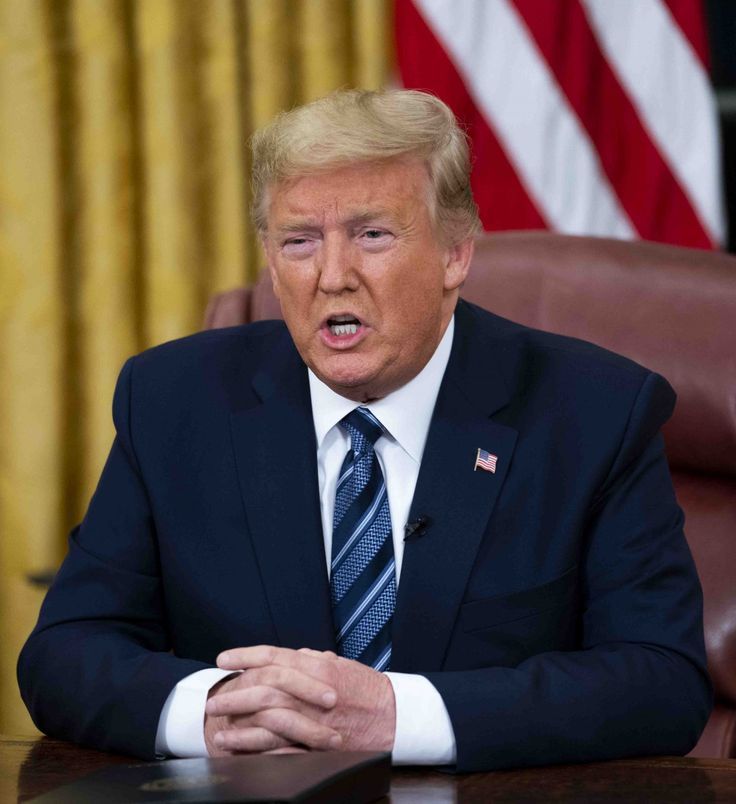
U.S. President Donald Trump has described fentanyl as a “weapon of mass destruction,” intensifying rhetoric around America’s ongoing opioid epidemic and signaling a hardline stance on drug trafficking and border security.
The remark reflects growing alarm over the scale of fentanyl-related deaths in the United States, where synthetic opioids have become the leading cause of overdose fatalities. Trump’s framing elevates the issue from a public health emergency to a national security threat.
Why Fentanyl Is Central to the Debate
Fentanyl is a synthetic opioid that is significantly more potent than heroin and morphine. Small quantities can be lethal, making it attractive to traffickers and devastating to users. U.S. authorities say much of the illicit fentanyl entering the country is trafficked through complex international networks involving precursor chemicals, transnational criminal organizations, and porous borders.
By calling fentanyl a “weapon of mass destruction,” Trump argues that its impact rivals that of conventional weapons in terms of lives lost—an assertion aimed at justifying extraordinary enforcement and security measures.
Trump’s Policy Message
Trump’s statement aligns with his broader political message that links drug trafficking to border control and foreign policy. He has repeatedly accused neighboring countries and rival powers of failing to stop the flow of fentanyl and its components into the U.S.
Supporters say this framing underscores the urgency of the crisis and could mobilize stronger international cooperation and domestic enforcement. Critics counter that such language oversimplifies a complex problem that also requires public health solutions, addiction treatment, and social interventions.
Public Health vs. National Security
Experts remain divided on the effectiveness of militarized rhetoric. While fentanyl deaths have reached unprecedented levels, many public health professionals warn that focusing solely on enforcement risks neglecting prevention, treatment, and harm-reduction strategies.
Still, Trump’s language resonates with communities heavily affected by overdose deaths and reflects public frustration with the persistence of the crisis despite years of policy efforts.
Political Implications
As fentanyl continues to dominate national headlines, the issue is likely to remain a powerful political tool. Trump’s characterization positions drug trafficking as not just criminal activity, but an existential threat—one that demands swift and decisive action.
Whether this approach leads to policy breakthroughs or deeper political polarization remains an open question.
Bottom Line
By calling fentanyl a “weapon of mass destruction,” Donald Trump has amplified the sense of urgency surrounding America’s opioid crisis. The statement highlights the staggering human toll of the drug, while reigniting debate over how best to balance enforcement, diplomacy, and public health in confronting one of the country’s deadliest challenges.
References
- Reuters — Trump brands fentanyl a ‘weapon of mass destruction’
Reports that President Trump signed an executive order designating fentanyl as a weapon of mass destruction and frames it as a national-security threat. Reuters - Al Jazeera — Trump signs executive order labeling fentanyl ‘weapon of mass destruction’
Coverage of Trump formally signing the order and the context of the administration’s rhetoric on drug smuggling. Al Jazeera - The Guardian — Trump brands fentanyl a ‘weapon of mass destruction’ in drug-war escalation
Detailed account of the language and implications of labeling fentanyl alongside traditional WMDs. The Guardian - CBS News — Trump designates illicit fentanyl as a weapon of mass destruction
Reports on the executive order and federal response directives to combat trafficking. CBS News - Axios — Trump designates fentanyl a weapon of mass destruction amid drug cartel strikes
Overview of the order and its connection to broader enforcement actions. Axios - Financial Times — Donald Trump classifies fentanyl as a weapon of mass destruction
Analysis of the executive order, its justification, and geopolitical implications. Financial Times
- Scripps News / WPTV — Trump declares fentanyl a “weapon of mass destruction”
Includes direct quotes from Trump’s announcement at the White House. WPTV News Channel 5 West Palm