
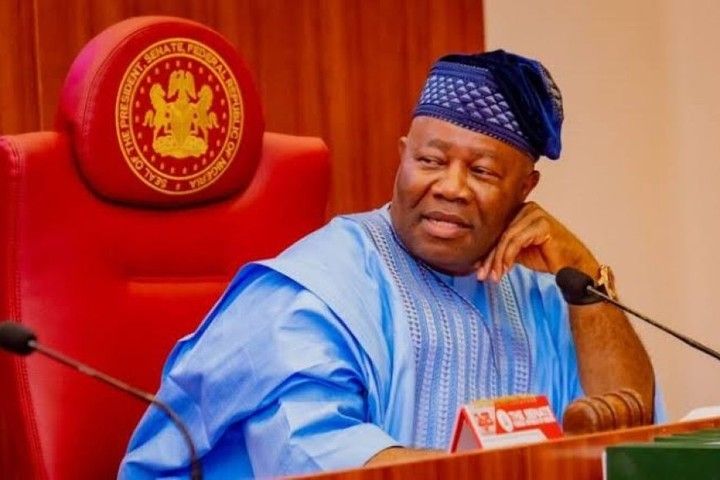
Nigeria’s Upper Chamber Moves to Curb Dangerous Misinformation
The Nigerian Senate has taken a firm stance against the spread of misinformation following widespread rumours on social media claiming that the Senate President, Godswill Akpabio, had collapsed abroad or died. In response, the Senate formally directed the National Security Adviser (NSA) and the State Security Service (SSS/DSS) to investigate the origin and intent behind the false reports.
The decision, reached through a resolution on the Senate floor, underscores growing concern within government circles about the destabilising effects of unverified information in the digital age—particularly when it targets high‑ranking public officials.
How the Issue Reached the Senate Floor
The matter was raised by lawmakers who expressed alarm over the persistence and reach of the rumours, which circulated for days across social media platforms and blogs. Some posts alleged that Akpabio had collapsed and was receiving emergency treatment overseas, while others went as far as declaring him dead.
Senators described the claims as reckless and harmful, noting that the Senate President occupies one of the most sensitive positions in Nigeria’s constitutional order. They argued that allowing such reports to spread unchecked could undermine public confidence and create unnecessary tension within the polity.
Following deliberations, the Senate resolved to involve national security agencies to trace those responsible for originating and amplifying the claims.
Akpabio’s Response
Addressing his colleagues, Senate President Akpabio dismissed the reports as false and misleading. He acknowledged the challenges of regulating online spaces but maintained that deliberate misinformation—especially when targeted at national institutions—should not go unexamined.
Drawing from history, he noted that similar rumours had previously been spread about prominent Nigerian leaders, highlighting how misinformation is often recycled for political or social disruption.
Why This Matters
The Senate’s intervention goes beyond defending one individual; it reflects a broader institutional concern about:
- The power of social media misinformation to shape public perception within hours
- National security implications of false reports involving senior state officials
- Erosion of trust in governance when rumours overshadow verified information
In a country with a vibrant but often unregulated digital media space, false news can spread faster than official clarification, leaving institutions constantly on the defensive.
The Role of Security Agencies
By mandating the NSA and SSS to investigate, the Senate is signalling that the deliberate spread of false information—particularly about the health or life of key public office holders—may carry consequences.
The investigation is expected to focus on:
- Identifying the original sources of the rumours
- Understanding whether the misinformation was malicious or politically motivated
- Recommending appropriate actions within existing legal frameworks
This move may also reignite debate around balancing freedom of expression with responsible digital conduct.
A Broader Conversation on Digital Responsibility
The Akpabio rumour episode highlights a recurring challenge in Nigeria’s information ecosystem: the absence of strong fact‑checking habits among audiences and the ease with which sensational claims gain traction.
While government institutions increasingly rely on official channels to counter false narratives, experts argue that long‑term solutions must also involve:
- Media literacy education
- Responsible blogging and citizen journalism
- Faster, transparent official communication
Conclusion
The Senate’s decision to involve national security agencies marks a significant response to the growing threat of misinformation in Nigeria. Whether the probe leads to prosecutions or policy reforms remains to be seen, but the message is clear: false reports capable of unsettling national institutions will not be ignored.
As Nigeria navigates an increasingly digital public sphere, this incident serves as a reminder that information—when misused—can be as disruptive as any physical threat.
📰 References
- Independent Newspaper: The Nigerian Senate directed the National Security Adviser to investigate rumours alleging that Senate President Godswill Akpabio had collapsed or died, following concerns raised by lawmakers about misinformation circulating on social media. Independent Newspaper Nigeria
🔗 https://independent.ng/senate-mandates-nsa-to-probe-reports-of-akpabios-death-collapse/ - Channels Television: The Senate adopted a resolution to refer the matter to the National Security Adviser after rumours about Akpabio’s alleged collapse and death spread online, with Senator Titus Zam highlighting the seriousness of the claims. Channels Television
🔗 https://www.channelstv.com/2025/12/16/senate-asks-nsa-to-probe-rumours-of-akpabios-alleged-collapse/ - Akelicious: Similar coverage confirming that the Senate resolved to investigate the source and intent of the social media rumours targeting the Senate President. Akelicious
🔗 https://www.akelicious.net/senate-asks-nsa-to-probe-rumors-of-akpabios-alleged-collapse/ - Akpabio Health Rumours Debunked: A report shows that Senate President Akpabio personally refuted circulating claims about his health by returning from a foreign trip in good health, underlining the real-world impact of misinformation. CKN News
🔗 https://www.cknnigeria.com/2025/12/akpabio-returns-from-foreign-trip.html - Cybercrime Prosecution Example: Previously in Nigeria, the federal government charged individuals in court over allegations that included spreading false information about the National Assembly and Akpabio, illustrating ongoing concerns about fake news and legal consequences. nigeriacommunicationsweek.com.ng
🔗 https://www.nigeriacommunicationsweek.com.ng/fg-prosecutes-journalists-over-report-on-