A Sharp Escalation in U.S. Pressure on the Maduro Government
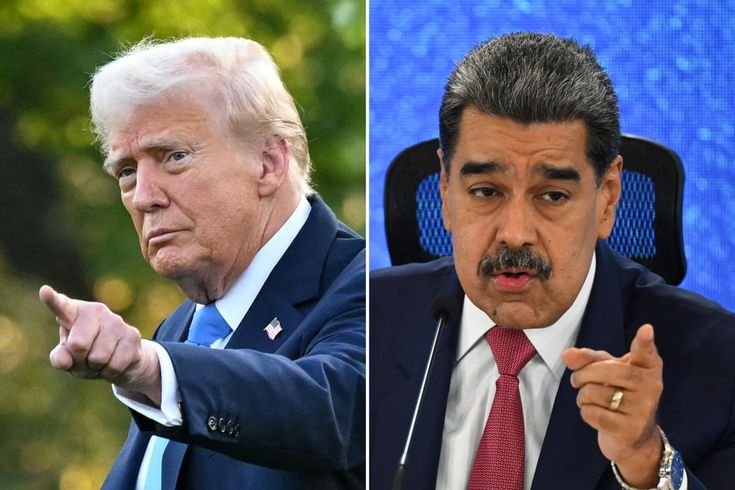
President Donald Trump has ordered a blockade of sanctioned oil tankers entering and leaving Venezuela, dramatically escalating U.S. efforts to tighten economic pressure on President Nicolás Maduro’s government. The move marks one of the most aggressive steps taken by Washington against Venezuela in years and has already drawn international attention and concern.
The directive authorizes U.S. forces to intercept oil tankers linked to sanctions violations, reinforcing the administration’s strategy of targeting Venezuela’s energy sector—the backbone of its economy.
What the Blockade Means
According to U.S. officials, the blockade applies specifically to oil tankers that are already sanctioned or suspected of violating U.S. sanctions. These vessels are prohibited from transporting Venezuelan oil to international markets or delivering fuel and supplies to the country.
The administration described the action as a “total and complete blockade” of sanctioned tankers, signaling a hard-line approach intended to choke off illicit oil revenues that the U.S. says help sustain Maduro’s grip on power.
Unlike a full naval blockade of the country—which could raise serious international legal issues—this measure is framed as a targeted enforcement action against vessels tied to sanctions violations.
Why the U.S. Took This Step
The White House says the decision is rooted in national security and sanctions enforcement, citing concerns that Venezuelan oil revenues are being used to undermine democratic processes, fuel corruption, and support illicit networks.
Officials argue that existing sanctions have been repeatedly circumvented through shadow shipping networks, ship-to-ship transfers, and the use of foreign intermediaries. The blockade is intended to close those loopholes and send a clear warning to companies, insurers, and governments doing business with sanctioned Venezuelan entities.
International Reaction and Legal Concerns
The move has prompted swift reactions abroad. Venezuela’s government has condemned the blockade as illegal and accused the United States of economic warfare. Some U.S. allies have also expressed concern that the action could increase regional instability and raise tensions in the Caribbean.
Legal experts note that while the U.S. has broad authority to enforce its sanctions, physically intercepting vessels at sea carries diplomatic and legal risks—particularly if ships are flagged by third countries or operating in international waters.
Economic and Regional Impact
Venezuela’s economy, already battered by years of sanctions, inflation, and infrastructure collapse, relies heavily on oil exports for foreign currency. A sustained blockade of sanctioned tankers could further reduce exports, limit fuel availability, and worsen humanitarian conditions.
At the same time, the policy may have broader market implications, particularly if global oil supply tightens or if shipping companies grow wary of operating anywhere near Venezuelan waters.
A Return to Maximum Pressure
The tanker blockade reflects a broader pattern in Trump’s foreign policy: a return to “maximum pressure” tactics, using economic and military leverage to force political change. Similar strategies were employed against Iran during Trump’s earlier presidency, with mixed results.
Supporters argue the approach demonstrates strength and resolve. Critics warn it risks escalation without offering a clear diplomatic off-ramp.
Conclusion
President Trump’s order to block sanctioned oil tankers into and out of Venezuela marks a significant escalation in U.S. policy toward the Maduro government. While the administration frames the move as targeted sanctions enforcement, its economic, legal, and geopolitical consequences could be far-reaching.
As enforcement begins, attention will focus on how Venezuela responds, how international partners react, and whether the strategy succeeds in pressuring Caracas—or deepens an already volatile standoff.
References
Associated Press. (2025, December 17). Trump orders blockade of ‘sanctioned oil tankers’ into Venezuela, ramping up pressure on Maduro. AP News. https://apnews.com/article/trump-venezuela-maduro-oil-tankers-625a7c9a3106e316c97ceb68a42a1cb5 AP News
Reuters. (2025, December 16). Trump orders naval blockade of sanctioned oil tankers leaving, entering Venezuela. Reuters. https://www.reuters.com/world/americas/trump-orders-blockade-sanctioned-oil-tankers-leaving-entering-venezuela-2025-12-16/ Reuters
Business Standard. (2025, December 17). Trump orders total blockade of all sanctioned oil tankers in Venezuela. Business Standard. https://www.business-standard.com/world-news/trump-orders-total-blockade-of-all-sanctioned-oil-tankers-in-venezuela-125121700102_1.html Business Standard
Anadolu Agency. (2025, December 17). Trump orders oil tankers blockade in Venezuela, labels Maduro government ‘terrorist’. AA News. https://www.aa.com.tr/en/americas/trump-orders-oil-tankers-blockade-in-venezuela-labels-maduro-government-terrorist/3773268 Anadolu Ajansı
AA News. (2025, December 17). Venezuela denounces US’ ‘total blockade’ on oil tankers. AA News. https://www.aa.com.tr/en/americas/venezuela-denounces-us-total-blockade-on-oil-tankers/3773278 Anadolu Ajansı
The Guardian. (2025, December 17). Trump orders blockade of sanctioned oil tankers entering and leaving Venezuela. The Guardian. https://www.theguardian.com/us-news/2025/dec/16/trump-orders-blockade-oil-tankers-venezuela The Guardian
Time. (2025, December 17). Trump orders blockade on some oil tankers in and out of Venezuela. TIME. https://time.com/7341303/trump-blockade-oil-tankers-venezuela/ TIME