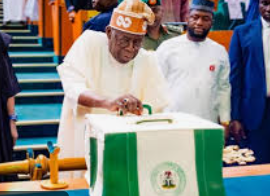
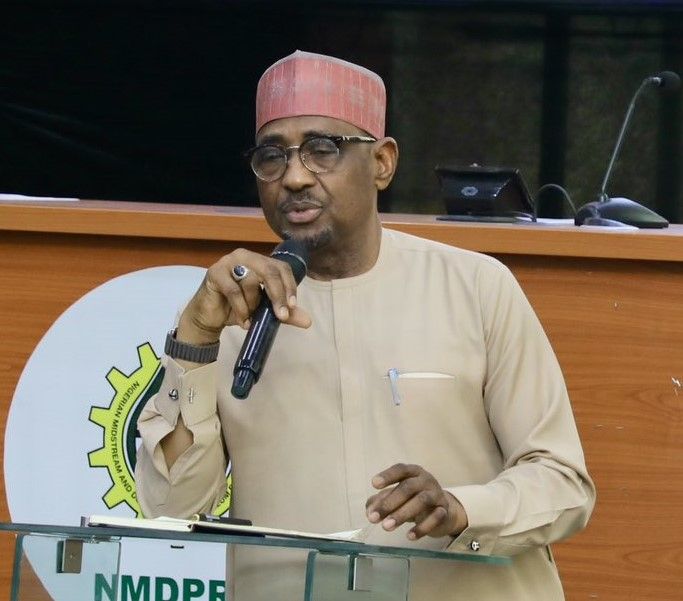
Engineer Farouk Ahmed, CEO of the Nigerian Midstream and Downstream Petroleum Regulatory Authority (NMDPRA), resigned on December 17, 2025, after mounting allegations of corruption and economic sabotage, following a direct summons by President Bola Tinubu.
🔑 Key Background to the Resignation
- Summoned by the President: Farouk Ahmed was called to the Presidential Villa in Abuja by President Bola Tinubu. This meeting came amid growing concerns about alleged misconduct within the petroleum regulatory sector.
- Allegations of Corruption: Reports suggest that Ahmed faced accusations of economic sabotage and corrupt dealings, which intensified scrutiny on his leadership.
- Dangote’s Intervention: Just 24 hours before the resignation, Aliko Dangote, CEO of Dangote Group, publicly raised concerns about alleged corrupt practices involving Ahmed. This appears to have accelerated the pressure on the presidency to act.
- Coordinated Leadership Change: Ahmed’s resignation coincided with that of Gbenga Komolafe, CEO of the Nigeria Upstream Petroleum Regulatory Commission (NUPRC). Both exits were announced together, signaling a broader shake-up in Nigeria’s petroleum regulatory agencies.
- Immediate Succession Plans: President Tinubu swiftly nominated replacements for both agencies, sending names to the Senate for confirmation. This move underscores the urgency to restore credibility and stability in Nigeria’s oil and gas regulatory framework.
⚖️ Implications of the Decision
- Political Pressure: The resignation reflects Tinubu’s willingness to act decisively under public and industry pressure, especially after Dangote’s allegations.
- Industry Impact: With Nigeria’s petroleum sector already under strain, leadership changes at both NMDPRA and NUPRC could reshape regulatory oversight and investor confidence.
- Anti-Corruption Signal: The coordinated resignations serve as a public signal of the administration’s stance against corruption, though critics may question whether this is reform-driven or politically expedient.
📌 Summary
Engineer Farouk Ahmed’s resignation was not voluntary in the traditional sense—it followed mounting allegations, industry pressure, and direct presidential intervention. The timing, just after Dangote’s corruption claims, suggests a calculated move by the presidency to reassert control over Nigeria’s petroleum regulatory institutions.
Would you like me to also outline who Tinubu nominated as Ahmed’s successor and what their background suggests for the future of NMDPRA?
References
- Daily Post – “NMDPRA boss, Farouk Ahmed resigns amid corruption allegations”
- The Guardian – “NMDPRA-Dangote face-off: Tinubu picks replacements as Farouk, Komolafe resign”
- The Cable – “NMDPRA CEO Farouk Ahmed resigns after meeting with Tinubu”
- Channels TV – “NMDPRA MD Farouk Ahmed Resigns Amid Corruption Allegations”
- Within Nigeria – “Breaking: NMDPRA boss, Farouk Ahmed resigns amid $5m school tuition scandal”
- ICIR Nigeria – “Farouk Ahmed ‘resigns’ as NMDPRA boss amid Dangote corruption allegations”