📌 Key Details of the Defence Aid
- Total Package: Up to US$3.5 billion
- US$1 billion loan repayable over 17 years.
- US$2.5 billion in grants, spread across five years at US$500 million annually starting March 2026.
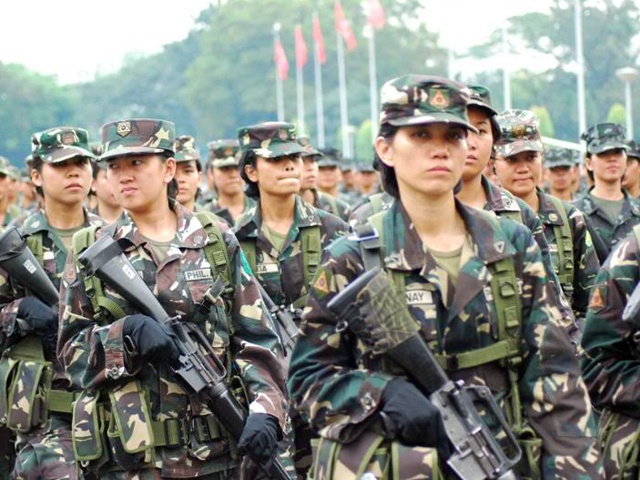
- Purpose: Strengthen the Philippines’ military capabilities and deterrence against regional threats, particularly in the South China Sea.
- Legislation: Part of the U.S. National Defense Authorization Act (NDAA), awaiting President Donald Trump’s signature.
- Regional Context: Aid also extends to allies like Japan and Australia, focusing on joint training and exercises.
🌏 Strategic Implications
- Countering China: U.S. officials describe the move as a response to “serious threats” posed by China and its partners in what they call an “axis of aggressors”.
- Philippine Perspective: Defence officials in Manila welcomed the aid as proof of U.S. commitment, though analysts caution it may still fall short of building a fully credible deterrent against China.
- Historical Significance: This marks one of the largest U.S. defence investments in the Philippines since the Cold War.
⚠️ Risks and Challenges
- Debt Burden: The US$1 billion loan adds long-term repayment obligations for Manila.
- Capability Gap: Analysts argue the aid, while substantial, may not fully address the Philippines’ need for modern naval and air defence systems.
- Regional Tensions: Increased U.S. military support could heighten tensions with Beijing, potentially escalating disputes in the South China Sea.
📊 Comparison of Aid Components
| Component | Amount | Terms | Strategic Use |
|---|---|---|---|
| Loan | US$1 billion | 17-year repayment | Procurement of defence equipment |
| Grant | US$2.5 billion | US$500M annually (2026–2030) | Training, joint exercises, modernization |
| Regional Support | N/A | Shared with Japan, Australia | Strengthen alliances, interoperability |
🔎 What This Means Going Forward
- The Philippines will likely use the funds to modernize its armed forces, focusing on maritime defence and interoperability with U.S. forces.
- The aid underscores Washington’s strategy of bolstering alliances in Asia-Pacific to counterbalance China’s growing influence.
- However, the effectiveness of this package depends on how Manila allocates resources and whether it can integrate new systems into its defence posture.