🌍 Key Developments from the Miami Talks
- Constructive Atmosphere: Russian envoy Kirill Dmitriev stated that the talks are proceeding constructively and will continue into Sunday.
- US Mediation Role: The United States has proposed a new format involving Ukraine, Russia, America, and possibly European envoys. This reflects Washington’s push to broker a ceasefire.
- Ukrainian Position: President Volodymyr Zelenskyy said progress has been made, but no consensus yet on key territorial issues. He emphasized that Ukraine is working closely with American negotiators.
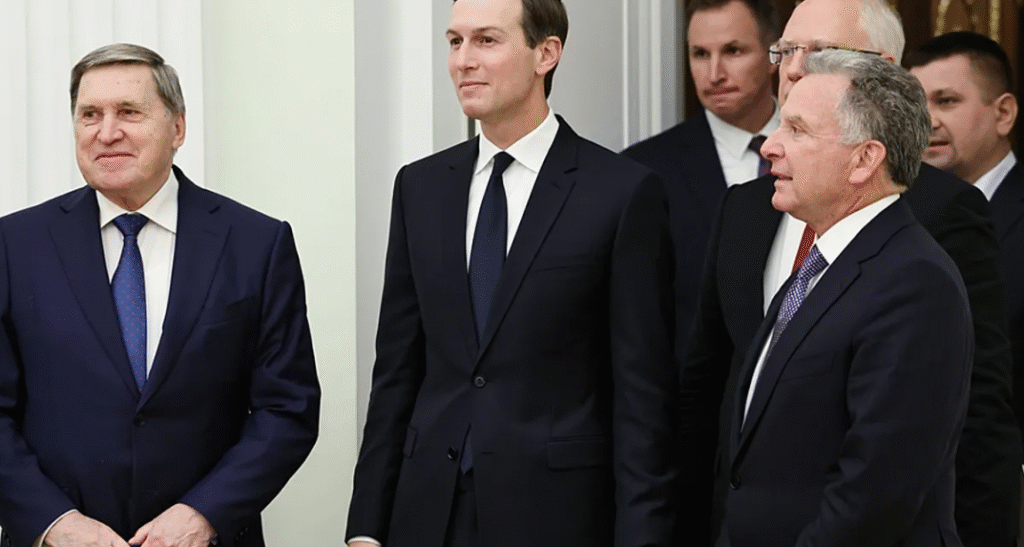
- Participants: The Miami meetings include Russian envoy Dmitriev, U.S. special envoy Steve Witkoff, and Jared Kushner, who previously helped broker the Abraham Accords.
- European Involvement: While European representatives were present in earlier Berlin talks, they are less directly involved in Miami, though Zelenskyy suggested they may join future sessions.
⚖️ Main Issues Under Discussion
- Territorial Disputes: Disagreements remain over Russian-occupied regions, with Zelenskyy ruling out elections in those areas.
- Black Sea Access: Ukraine accuses Moscow of trying to cut Kyiv off from the Black Sea, a critical strategic concern.
- Ceasefire Framework: The U.S.-drafted peace plan aims to narrow differences and establish a roadmap for ending the nearly four-year war.
📊 Comparison of Positions
| Stakeholder | Position | Key Concerns |
|---|---|---|
| Ukraine (Zelenskyy) | Open to U.S.-mediated talks | Territorial sovereignty, Black Sea access, no elections in occupied regions |
| Russia (Dmitriev) | Talks “constructive” | Maintaining leverage on territorial claims, military advances |
| United States | Proposing new format | Brokering ceasefire, involving Europe, stabilizing region |
| Europe | Limited role in Miami | Previously engaged in Berlin talks, may join later |
Sources:
🚨 Risks & Challenges
- Stalemate on Territory: Without compromise on occupied regions, talks may stall.
- Geopolitical Tensions: Russia’s battlefield advances could undermine negotiations.
- Fragile Trust: Involving multiple parties (U.S., Europe, Ukraine, Russia) risks slowing progress if agendas diverge.
In short, Miami has become the latest stage for high-stakes diplomacy. While negotiators describe the mood as constructive, the toughest issues—territory and sovereignty—remain unresolved.