🔑 Key Highlights
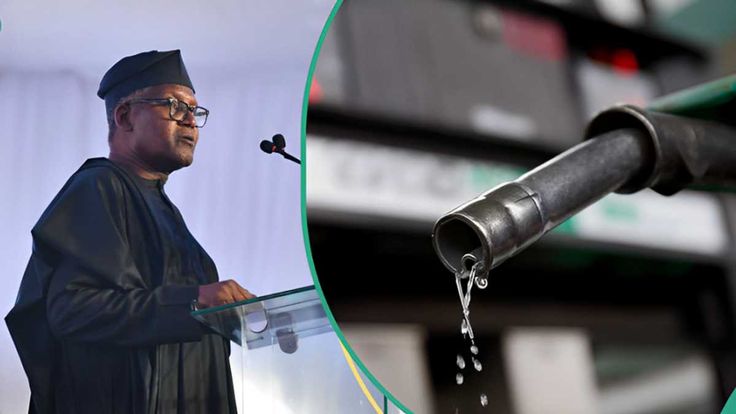
- Price Point: Petrol is now sold at ₦739/litre across MRS Oil Nigeria Plc stations nationwide.
- Coverage: Over 2,000 filling stations are participating, ensuring wide accessibility.
- Economic Goal: The refinery emphasized that this pricing is part of efforts to stabilize the downstream market and support Nigeria’s economic recovery.
- Marketers’ Role: Dangote commended marketers who have already adopted the new pricing and urged others to follow suit.
- Festive Timing: The launch comes during a period traditionally marked by fuel scarcity and price hikes, aiming to ease consumer burdens.
📊 Context & Implications
| Factor | Details | Impact |
|---|---|---|
| Price Reduction | ₦739/litre nationwide | Lower than recent market highs, easing consumer spending |
| Distribution Network | 2,000+ MRS stations | Ensures broad access across Nigeria |
| Economic Recovery | Dangote frames it as patriotic support | Could stabilize inflationary pressures linked to fuel |
| Market Competition | Encourages other marketers to align | Potentially drives further price reductions |
| Timing | Festive season launch | Addresses seasonal scarcity and price spikes |
⚠️ Risks & Considerations
- Adoption by Other Marketers: While MRS has embraced the pricing, not all marketers may immediately comply, which could create regional disparities.
- Supply Chain Stability: Sustaining ₦739/litre depends on consistent refinery output and logistics; disruptions could push prices back up.
- Consumer Relief vs. Inflation: Although this is a reduction, ₦739/litre is still relatively high compared to historical averages, meaning households may continue to feel pressure.
- Government Oversight: Regulatory agencies will need to monitor compliance to ensure the pricing benefits reach consumers nationwide.
🧭 What This Means for Nigerians
This move is symbolic and practical: it signals the refinery’s readiness to play a central role in Nigeria’s fuel market, while also offering immediate relief to consumers. If other marketers align with Dangote’s pricing, Nigerians could see a more stable and predictable fuel market going into 2026.