📰 Key Developments
- 20-Point Peace Plan:
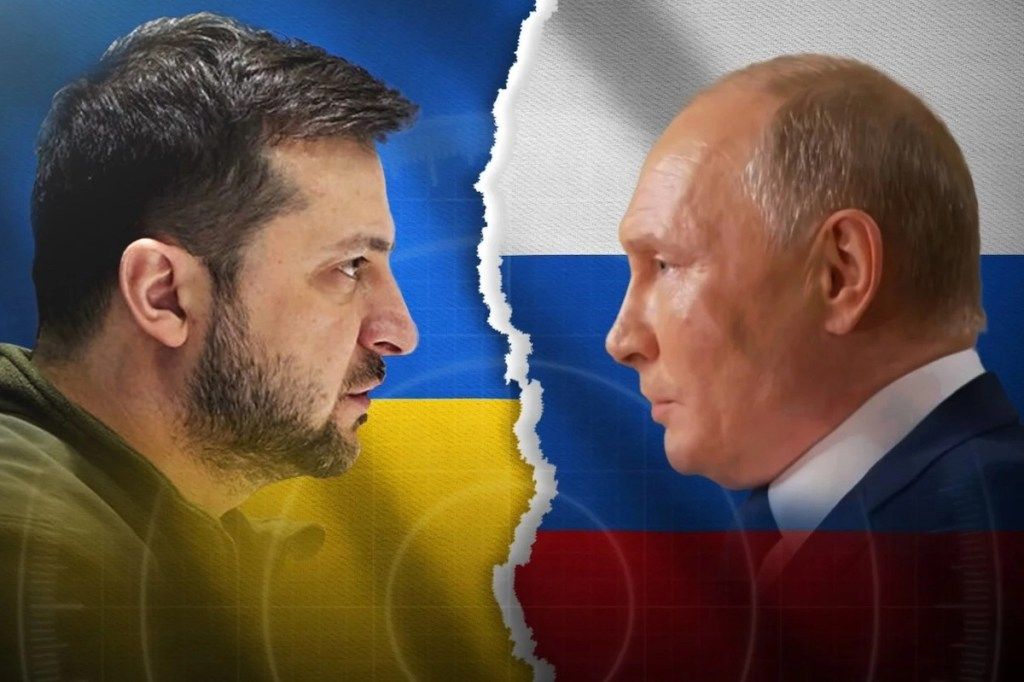
Ukrainian President Volodymyr Zelenskyy announced that talks with U.S. officials produced a 20-point plan covering security guarantees and economic support. He described it as “quite decent” but admitted it’s not perfect. - Security Guarantees:
The framework involves Ukraine, the U.S., and European partners providing guarantees to prevent future Russian aggression. - Russia’s Position:
Moscow has rejected Zelenskyy’s Christmas ceasefire offer and is pushing for territorial concessions and control over the Donbas region. Russia insists on changes to the plan before considering peace. - Potential Land Concessions:
Reports suggest Zelenskyy may be weighing limited land concessions and the creation of demilitarized zones in Donetsk as part of the compromise. - U.S. Role:
U.S. envoy Steve Witkoff has been leading diplomatic efforts, with President Trump pressing for a Christmas deal. However, divisions over territory remain a major obstacle.
🔑 Comparison of Positions
| Actor | Main Demands/Goals | Stance on Peace Plan |
|---|---|---|
| Ukraine | Security guarantees, economic support, no territorial concessions (though some compromise considered) | Sees plan as progress but cautious |
| United States | End war quickly, provide guarantees, economic aid | Strongly supportive, pushing negotiations |
| Russia | Control of Donbas, halt NATO expansion, territorial concessions | Rejects current framework, spurned ceasefire |
| Europe/NATO | Stability, prevent escalation, support Ukraine | Aligns with U.S. but wary of concessions |
⚠️ Risks & Challenges
- Territorial Concessions: Any Ukrainian land concessions could weaken sovereignty and embolden Russia.
- Ceasefire Rejection: Putin’s refusal of a Christmas ceasefire signals continued military escalation.
- Fragile Framework: Even if agreed, enforcement of security guarantees will be complex.
- Political Pressure: Trump’s push for a quick deal may clash with Ukraine’s insistence on strong guarantees.
🌍 What This Means
This moment reflects a critical juncture: Ukraine and the U.S. are trying to lock in a framework that could end the war, but Russia’s rejection of both the ceasefire and the current plan shows peace is still distant. The 20-point plan is a step forward, but without Russian buy-in, it risks becoming a symbolic gesture rather than a binding agreement.