Russia’s Diplomatic Balancing Act
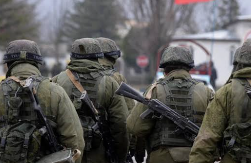
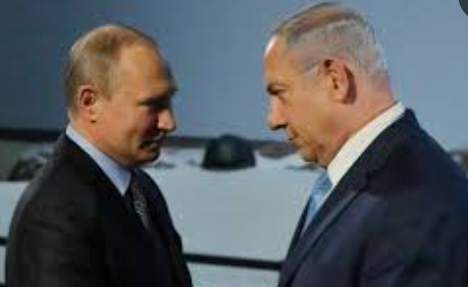
Russia has long sought to expand its influence in the Middle East, particularly after its 2015 military intervention in Syria. With the United States reducing its footprint in the region, Moscow has seized opportunities to act as a mediator between adversaries. Recent reports highlight Russia’s proposal to reintroduce patrols along the Syrian-Israeli border, serving as a buffer between the two militaries. This move reflects Russia’s strategy of leveraging its military presence to secure diplomatic relevance.
Why This Matters
- Security Buffer: By proposing patrols in Quneitra Province near the Golan Heights, Russia aims to reduce direct clashes between Syrian and Israeli forces.
- Regional Stability: Israel has cautiously supported Russia’s bases in Syria, seeing them as a counterweight to Turkish influence and Islamist factions.
- Geopolitical Leverage: Russia’s involvement allows it to project power beyond Syria, reinforcing its image as a global mediator.
Strategic Implications
Russia’s mediation is not altruistic—it is a calculated effort to entrench itself as a power broker. For Syria, Russian patrols provide legitimacy and protection against Israeli incursions. For Israel, Moscow’s presence offers predictability and a check on Turkey’s ambitions. This triangular dynamic illustrates how Russia exploits regional rivalries to maintain influence.
| Actor | Interest in Russia’s Role | Strategic Benefit |
|---|---|---|
| Syria | Legitimacy, protection | Buffer against Israeli strikes |
| Israel | Stability, counter-Turkey | Predictable Russian presence |
| Russia | Diplomatic leverage | Expanded influence in Levant |
Risks and Challenges
- Fragile Trust: Israel remains wary of Syria’s alignment with Iran, which could undermine Russia’s mediation.
- Overextension: Russia’s economic constraints may limit its ability to sustain long-term patrols.
- Western Pushback: U.S. and European powers may view Moscow’s role as undermining their own influence in the region.
Conclusion
Russia’s brokering of security diplomacy between Syria and Israel is a calculated geopolitical maneuver. It positions Moscow as a stabilizer in a volatile region, while simultaneously advancing its own strategic interests. For international observers, this development highlights the shifting balance of power in the Middle East, where Russia increasingly fills the vacuum left by Western disengagement.