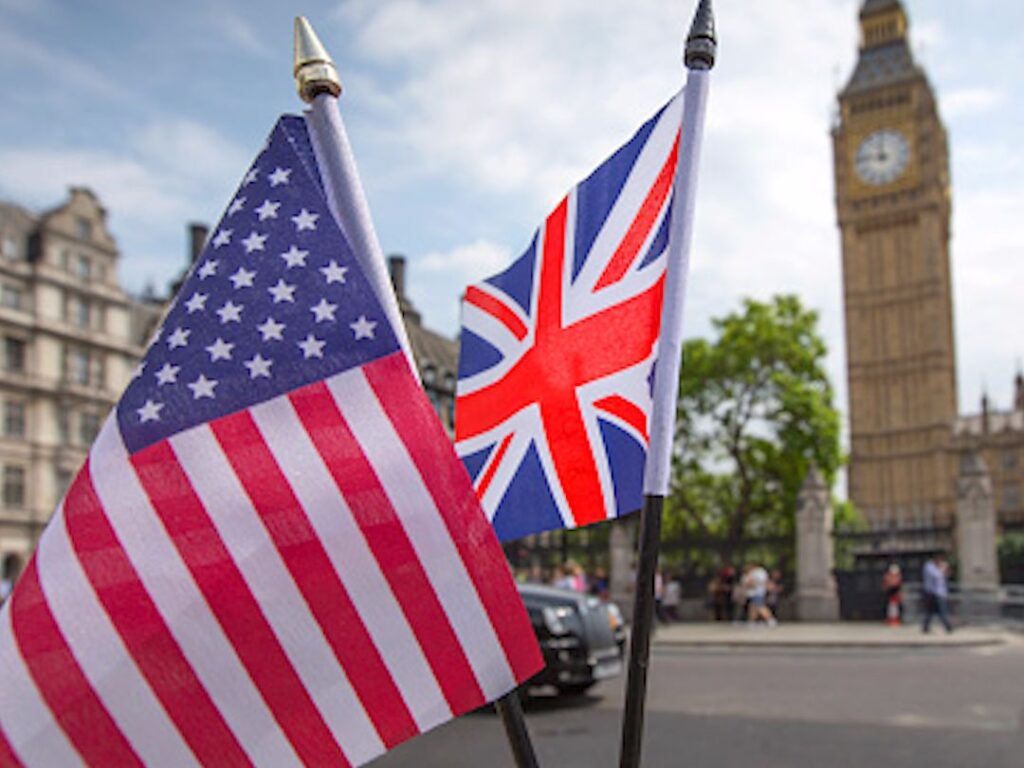
Reports that King Charles III and Prince William are expected to visit the United States in 2026 have renewed attention on the future of UK–U.S. relations, particularly in the context of long-stalled trade negotiations. While the British monarchy holds no formal political power, royal diplomacy has long played a subtle but influential role in shaping international relationships. A high-profile visit by the King and the Prince of Wales could therefore carry symbolic and strategic significance at a time when both countries are reassessing their economic and geopolitical priorities.
The United Kingdom and the United States share one of the world’s most enduring bilateral relationships, often described as a “special relationship” rooted in history, shared values, language, and security cooperation. However, despite close political and military ties, progress on a comprehensive UK–U.S. trade agreement has remained elusive in recent years. Political transitions, shifting global priorities, and domestic economic pressures on both sides have contributed to repeated delays.
Against this backdrop, a royal visit in 2026 could serve as a diplomatic catalyst rather than a negotiating forum. The monarchy’s role is not to conduct trade talks but to create an atmosphere conducive to engagement, goodwill, and renewed momentum. Historically, royal visits have been used to reinforce alliances, celebrate shared heritage, and signal long-term commitment to bilateral relations. In the context of trade negotiations, such symbolism can help soften political barriers and rebuild trust at senior levels.
Since the United Kingdom’s departure from the European Union, securing new trade agreements has been a central pillar of British economic strategy. The U.S. market remains particularly important, given its size, purchasing power, and deep financial ties with the UK. Despite this, negotiations for a comprehensive free trade agreement have stalled amid disagreements over regulatory standards, agricultural products, digital trade, and market access. Domestic political considerations in both countries have further complicated the process.
For the United States, trade policy toward the UK must be balanced against broader strategic concerns. Washington continues to prioritize supply chain resilience, industrial policy, and trade relationships that align with domestic economic objectives. While the UK is a close ally, U.S. policymakers have shown caution about entering large-scale trade agreements that could face political resistance at home. This has resulted in a preference for narrower sectoral agreements rather than sweeping trade deals.
In this environment, the anticipated visit by King Charles III and Prince William may be interpreted as an effort to reframe the relationship beyond transactional politics. The monarchy offers continuity at a time when elected governments change frequently. King Charles, in particular, brings decades of experience in diplomacy, environmental advocacy, and international engagement. His longstanding interest in sustainability and climate issues could also influence the framing of future economic cooperation, especially in green technology and sustainable finance.
Prince William’s participation adds a generational dimension to the visit. As heir to the throne, his presence signals long-term commitment to the transatlantic relationship. This forward-looking aspect may resonate with U.S. audiences and policymakers who are increasingly focused on innovation, technology, and future-oriented partnerships. Together, the King and the Prince of Wales represent both continuity and renewal, a combination that can be particularly effective in diplomatic settings.
Trade negotiations themselves are driven by governments, but they do not occur in a vacuum. Political atmosphere, public sentiment, and elite relationships all shape the pace and direction of talks. A successful royal visit could help reset the tone of engagement, creating opportunities for renewed dialogue at ministerial and technical levels. It may also encourage greater cooperation at state and regional levels within the United States, where trade and investment decisions often originate.
Beyond formal trade agreements, UK–U.S. economic relations encompass a wide range of activities, including foreign direct investment, financial services, defense contracts, and academic collaboration. The United States remains one of the largest investors in the UK, and British companies are deeply embedded in the U.S. economy. Strengthening these ties does not necessarily require a single comprehensive trade deal but can be achieved through incremental progress across multiple sectors.
The symbolism of a royal visit should not be underestimated in this context. Royal engagements often attract significant media attention, shaping public narratives and reinforcing perceptions of partnership. In an era of geopolitical uncertainty, such narratives can help sustain public and political support for international cooperation. This is particularly relevant as both countries navigate economic challenges, including inflationary pressures, technological competition, and evolving global supply chains.
At the same time, expectations should remain realistic. A royal visit, no matter how successful, will not resolve structural disagreements or substitute for political compromise. Trade negotiations involve complex regulatory, legal, and economic considerations that require sustained engagement by elected officials. The monarchy’s role is complementary, not decisive. Its value lies in facilitating dialogue, not dictating outcomes.
Critics may argue that relying on royal diplomacy risks obscuring substantive policy differences behind ceremonial gestures. This concern highlights the importance of aligning symbolism with substance. For a royal visit to have lasting impact, it must be accompanied by concrete follow-up efforts by policymakers, including renewed negotiating mandates, stakeholder consultations, and clear timelines for progress.
Internationally, the visit would also send a signal about the UK’s broader post-Brexit strategy. Engaging the United States at the highest symbolic level reinforces Britain’s desire to remain a global economic and diplomatic actor. It demonstrates that the UK continues to prioritize deep partnerships with key allies while adapting to a more multipolar world.
From the U.S. perspective, welcoming the British monarch and heir could reaffirm commitment to long-standing alliances at a time when global leadership is increasingly contested. It may also provide an opportunity to showcase shared democratic values and institutional continuity, contrasting with more volatile geopolitical relationships elsewhere.
The timing of the visit in 2026 is also significant. By then, both countries may be operating under new political configurations, creating either opportunities or constraints for renewed trade talks. A royal visit early in such cycles could help establish positive working relationships and set a cooperative tone for future engagement.
In conclusion, the expected visit by King Charles III and Prince William to the United States represents more than a ceremonial event. It reflects a strategic use of royal diplomacy to reinforce UK–U.S. relations at a moment of economic and political transition. While it will not directly revive stalled trade negotiations on its own, it could play an important supporting role by rebuilding momentum, strengthening goodwill, and signaling long-term commitment to partnership.
The future of UK–U.S. trade relations will ultimately depend on political will, economic alignment, and domestic priorities on both sides of the Atlantic. However, diplomacy operates on multiple levels, and the monarchy remains a unique asset in Britain’s international engagement. If carefully aligned with policy objectives, the 2026 royal visit could help lay the groundwork for renewed cooperation and a more dynamic transatlantic economic relationship in the years ahead.