The year 2025 will be remembered as a stark reminder of the growing human and economic costs of climate change. Across continents, powerful cyclones, devastating floods, and uncontrollable wildfires combined to make this one of the most destructive years for climate-related disasters in modern history. Beyond the staggering financial losses, these events displaced millions of people, strained national budgets, and exposed the vulnerability of communities already facing economic and social pressures.
A Year Defined by Extreme Weather
From coastal regions battered by cyclones to inland communities submerged by record-breaking floods, extreme weather events occurred with alarming frequency and intensity. Scientists and disaster agencies have long warned that rising global temperatures would amplify such events, and 2025 offered little room for doubt.
Cyclones intensified by warmer ocean temperatures caused widespread destruction in parts of Asia, the Pacific, and the Indian Ocean region. Entire communities were flattened, infrastructure crippled, and recovery efforts complicated by the sheer scale of damage. In parallel, floods driven by unusually heavy rainfall overwhelmed river systems and urban drainage networks, turning cities into disaster zones within hours.
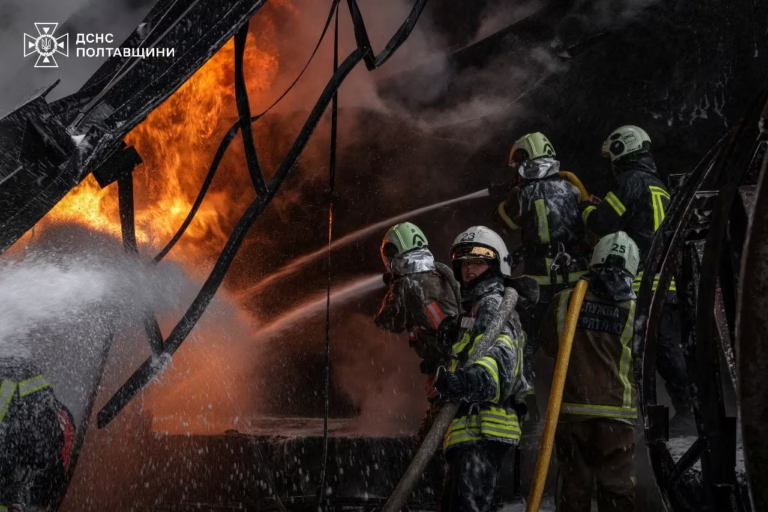
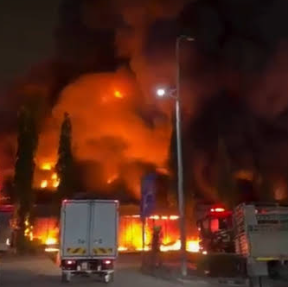
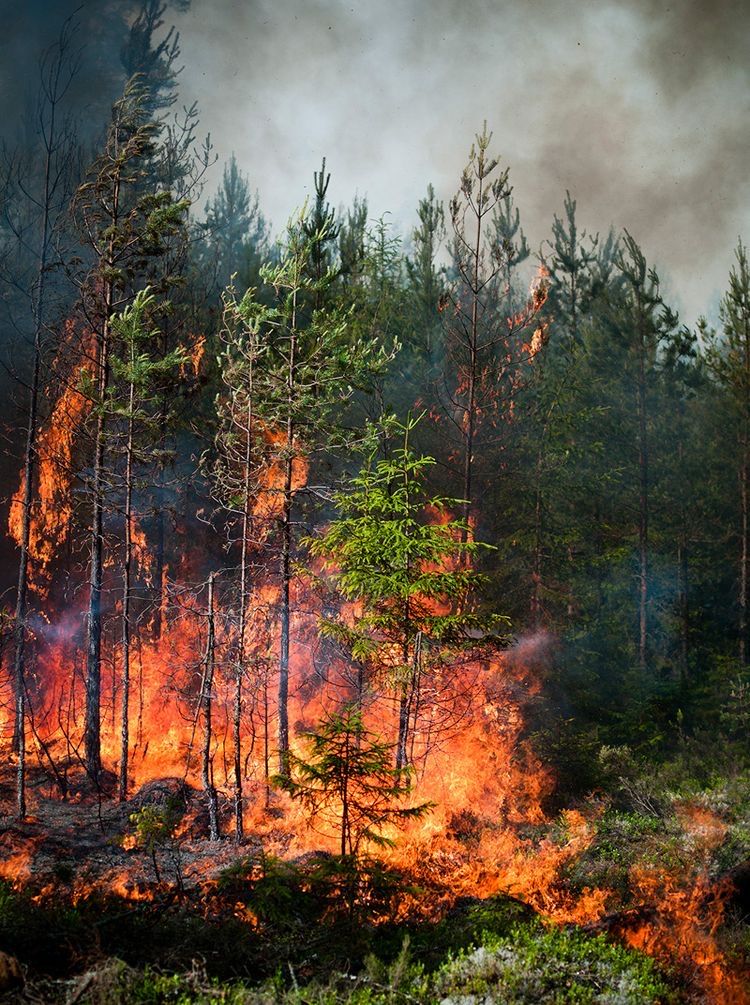
Wildfires also played a central role in shaping the year’s climate narrative. Extended heatwaves and prolonged drought created ideal conditions for fires to spread rapidly, destroying homes, farmland, and ecosystems across multiple continents. In many cases, fires burned with unprecedented intensity, challenging even well-equipped emergency response systems.
The Rising Economic Toll
The financial cost of these disasters reached historic levels. Governments were forced to divert resources toward emergency response, reconstruction, and humanitarian relief, often at the expense of long-term development goals. Insurance losses surged, while uninsured communities—particularly in developing countries—absorbed the brunt of the damage with little external support.
Critical infrastructure such as roads, power grids, hospitals, and schools suffered repeated setbacks. These losses extended beyond immediate repair costs, disrupting trade, education, healthcare delivery, and economic productivity. For many countries, climate disasters are no longer rare shocks but recurring events that weaken economic resilience year after year.
Human Displacement and Social Consequences
Perhaps the most profound impact of 2025’s climate disasters was human displacement. Millions of people were forced to flee their homes, either temporarily or permanently, as floods, fires, and storms made entire regions uninhabitable. In some areas, repeated disasters have pushed communities toward long-term displacement, raising difficult questions about climate migration and resettlement.
Displacement places enormous strain on host communities and governments. Access to housing, clean water, healthcare, and employment becomes increasingly limited, heightening the risk of social tension. Vulnerable groups—including children, the elderly, and low-income households—are disproportionately affected, deepening existing inequalities.
Climate Change and Preparedness Gaps
The events of 2025 also exposed significant gaps in global preparedness. While early warning systems and disaster response capabilities have improved in some regions, many countries remain underprepared for the scale of climate-related threats they now face. Weak infrastructure, limited funding, and poor urban planning have magnified the impact of natural hazards.
At the same time, the uneven distribution of resources has highlighted a growing global divide. Wealthier nations are generally better positioned to recover, while poorer countries struggle with prolonged crises that undermine development gains. This imbalance underscores the urgent need for stronger international cooperation on climate finance, adaptation, and loss-and-damage mechanisms.
A Warning for the Future
What makes 2025 particularly significant is not only the severity of individual disasters, but the pattern they represent. Climate scientists emphasize that such events are becoming more frequent and more intense as global warming continues. Without meaningful reductions in greenhouse gas emissions and substantial investment in resilience, future years may bring even greater losses.
The cost of inaction is no longer theoretical. It is measured in destroyed livelihoods, displaced populations, and economic setbacks that can take decades to reverse. Climate disasters are no longer peripheral environmental issues—they are central challenges shaping global stability and development.
Conclusion
The ranking of 2025 among the costliest years for climate disasters serves as a powerful warning. Cyclones, floods, and wildfires have demonstrated how deeply climate change now affects economies, societies, and human security. As nations assess the damage and begin rebuilding, the lessons of this year are clear: resilience, preparedness, and collective climate action are no longer optional—they are essential.
How the global community responds to these realities will determine whether future generations face a world better equipped to withstand climate shocks, or one increasingly defined by crisis and displacement.
References
UNDRR’s flagship report on disaster risk and losses — Global Assessment Report 2025: Resilience Pays: Financing and Investing for our Future — maps disaster risk trends, economic losses, and the case for investing in resilience.
It notes global disaster costs now exceed ~USD 2.3 trillion annually when indirect and cascading impacts are included (e.g., lost income, damaged infrastructure, supply chain breakdowns) — vastly higher than traditional estimates. UNDRR+1
The report includes data on weather-related hazards such as storms, floods, droughts, and heat and their annual average losses and future risk projections. UNDRR
🔗 UNDRR GAR 2025 overview and PDF
👉 https://www.undrr.org/gar/gar2025 UNDRR
👉 https://www.undrr.org/media/106869/download (Full PDF) UNDRR