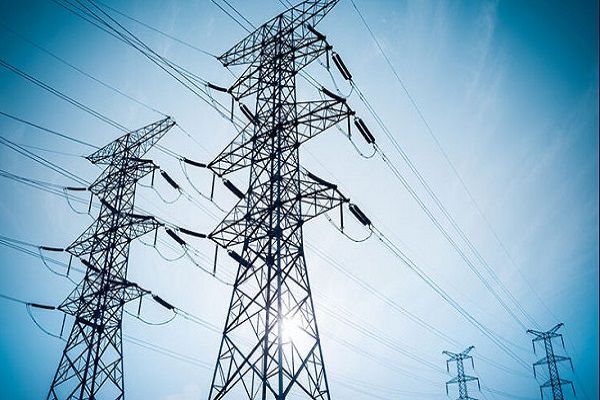
Nigeria’s long-troubled electricity system suffered another major setback in 2025 after the national power grid experienced a system collapse that disrupted electricity supply across large parts of the country, leaving homes, businesses, and public services without power for hours.
The collapse, which occurred in the afternoon, triggered a sharp drop in electricity sent to distribution companies nationwide. Power supply to many states fell to negligible levels, effectively shutting down the grid and forcing consumers to rely on generators and alternative energy sources.
Industry data circulating among sector operators showed that national load allocation declined drastically within minutes of the incident, indicating a failure in the delicate balance between power generation and transmission. Several distribution companies confirmed outages across their networks shortly afterward, while urban centres and rural communities alike reported widespread blackouts.
Although partial restoration began later in the day, the incident once again exposed the structural weakness of Nigeria’s electricity architecture. The grid’s susceptibility to collapse has remained a recurring issue, largely due to aging transmission infrastructure, limited spinning reserve, operational constraints, and insufficient investment in system redundancy.
The Transmission Company of Nigeria (TCN), which manages the national grid, confirmed that engineers were deployed to stabilise the system and restore supply incrementally. However, no immediate technical explanation was provided, pending internal assessment of the failure.
For many Nigerians, the outage compounded existing economic pressures. Small businesses dependent on electricity faced additional fuel costs, while hospitals, telecommunications providers, and water facilities were forced to activate backup systems. In several locations, residents described the blackout as sudden and total, underscoring the lack of early warning mechanisms within the system.
Energy analysts note that grid collapses have become a structural rather than incidental problem. Despite reforms introduced under the Electricity Act and ongoing discussions around decentralised power generation, the national grid remains the backbone of electricity supply for most Nigerians. Its instability therefore carries nationwide consequences.
Calls for accelerated investment in transmission upgrades, regional grid autonomy, and embedded generation have intensified following the incident. Experts argue that without sustained technical reform and policy discipline, grid failures will continue to undermine economic productivity and public confidence in the power sector.
As restoration efforts continue, the latest collapse serves as a reminder that Nigeria’s electricity challenges are not merely about power generation capacity, but about systemic resilience, governance, and long-term infrastructure planning.
References
- Transmission Company of Nigeria (TCN) – System Operations Updates
https://tcn.org.ng - Nigerian Electricity Regulatory Commission (NERC) – Grid and Market Reports
https://nerc.gov.ng - Channels Television – National Grid Collapse Reports
https://www.channelstv.com - Vanguard Nigeria – Power Sector Coverage
https://www.vanguardngr.com - ThisDay Live – Energy and Infrastructure Reports
https://www.thisdaylive.com - Nairametrics – Electricity Market Analysis
https://nairametrics.com