After weeks of escalating violence along their shared frontier, Thailand and Cambodia have agreed to a truce aimed at stopping one of the most serious outbreaks of border fighting in recent years. The agreement, reached through direct military and diplomatic engagement, reflects a mutual recognition that continued hostilities risked spiralling beyond control, with grave humanitarian and regional consequences.
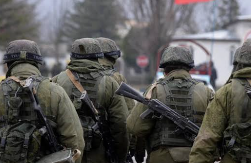
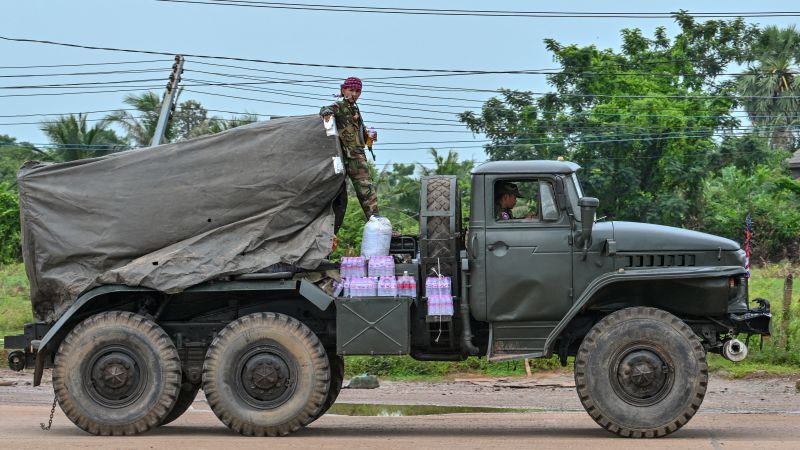
The truce brings a pause to clashes that had drawn in heavy weaponry, air surveillance assets, and large troop deployments on both sides of the border. While calm has begun to return to several affected areas, officials and analysts alike stress that the ceasefire represents a temporary stabilisation rather than a final resolution to a long-standing and deeply sensitive territorial dispute.
A Border Shaped by History and Ambiguity
The Thai–Cambodian border stretches for hundreds of kilometres, much of it running through remote forests, agricultural land, and areas dotted with ancient temples. Despite decades of diplomacy, sections of the boundary remain contested, largely due to differing interpretations of colonial-era maps and post-independence agreements.
These unresolved ambiguities have repeatedly triggered confrontations over the years, with flare-ups often sparked by patrol movements, construction activities, or local incidents that escalate rapidly due to the heavy military presence on both sides. The latest clashes followed this familiar pattern but unfolded with unusual intensity, drawing international attention.
From Local Incident to Full-Scale Fighting
According to regional security assessments, the most recent violence began as a limited confrontation between patrol units near a disputed zone. Within days, the situation deteriorated into sustained exchanges involving artillery fire and air operations, prompting evacuations of civilian communities close to the frontier.
Villages were emptied almost overnight as residents sought safety in temporary shelters deeper inland. Schools and community centres were converted into emergency camps, while local authorities struggled to maintain access to food, water, and medical care. For many families, the conflict disrupted farming activities during a critical period, raising concerns about longer-term economic fallout.
Both Bangkok and Phnom Penh accused the other side of provocation, while insisting that their own actions were defensive. As casualties mounted, pressure grew — domestically and internationally — for an immediate halt to the fighting.
The Truce: What Was Agreed
The ceasefire agreement was concluded following emergency talks between senior military officials from both countries, conducted under an existing bilateral framework for border management. While the full text has not been made public, officials outlined several key commitments:
- An immediate cessation of offensive military operations along the affected border areas.
- A freeze on troop movements beyond current positions to prevent accidental engagements.
- The use of established communication channels between local commanders to manage incidents before they escalate.
- Confidence-building measures, including the return of detained personnel and coordination on humanitarian access.
The agreement took effect shortly after it was signed, with both sides issuing orders to frontline units to stand down.
Early Signs — and Fragility — of Calm
In the days following the truce, reports from the border indicated a noticeable reduction in gunfire and military activity. Displaced civilians began cautiously returning to their homes, assessing damage and attempting to resume daily life.
However, the calm remains fragile. Allegations of minor violations — including unauthorised drone activity and patrol movements — surfaced soon after the ceasefire began. While none of these incidents escalated into renewed fighting, they underscored how easily misunderstandings could unravel the agreement.
Security analysts note that without robust verification mechanisms and sustained political oversight, ceasefires in contested border regions are inherently vulnerable.
Humanitarian Cost of the Clashes
The violence left a heavy humanitarian footprint. Dozens of people, including civilians, were killed or injured, and hundreds of thousands were temporarily displaced. Infrastructure damage ranged from destroyed homes to disrupted power and transport links in rural districts.
Humanitarian agencies operating near the border have called for sustained access to affected communities, warning that psychological trauma, disrupted education, and economic losses may linger long after the guns fall silent.
The truce offers a critical window for aid delivery, reconstruction, and the restoration of basic services — but only if it holds.
Regional and International Dimensions
The clashes and subsequent ceasefire have broader implications for Southeast Asia. Both Thailand and Cambodia are key members of the Association of Southeast Asian Nations (ASEAN), a bloc that prioritises regional stability and non-interference.
Diplomatic engagement by neighbouring states and major regional partners helped encourage restraint and dialogue, even if negotiations remained largely bilateral. The episode has renewed calls for stronger ASEAN mechanisms to manage and prevent cross-border conflicts, particularly those rooted in unresolved historical disputes.
The Deeper Challenge: An Unsettled Border
Despite the truce, the underlying dispute remains unresolved. Border demarcation, joint patrol arrangements, and the management of culturally significant sites continue to pose diplomatic challenges.
Experts argue that lasting peace will require more than ceasefires. Potential steps include:
- Renewed technical talks on border mapping and demarcation
- Joint development or conservation zones in disputed areas
- Expanded civilian-to-civilian engagement to reduce local tensions
- Stronger early-warning and communication systems between military units
Without such measures, the risk of future flare-ups remains high.
Looking Ahead
For now, the truce has provided much-needed relief to communities caught in the crossfire and a diplomatic off-ramp for two governments under pressure to restore calm. Whether it becomes a foundation for lasting peace or merely a pause before another crisis will depend on political will, military discipline, and sustained engagement.
The coming weeks will be decisive. If dialogue continues and restraint holds, the ceasefire could mark a turning point in one of Southeast Asia’s most persistent border disputes. If not, the region may once again find itself confronting the consequences of unresolved history colliding with modern geopolitics.
References
#paulkizitoblog #truce #Cambodia #Thailand