
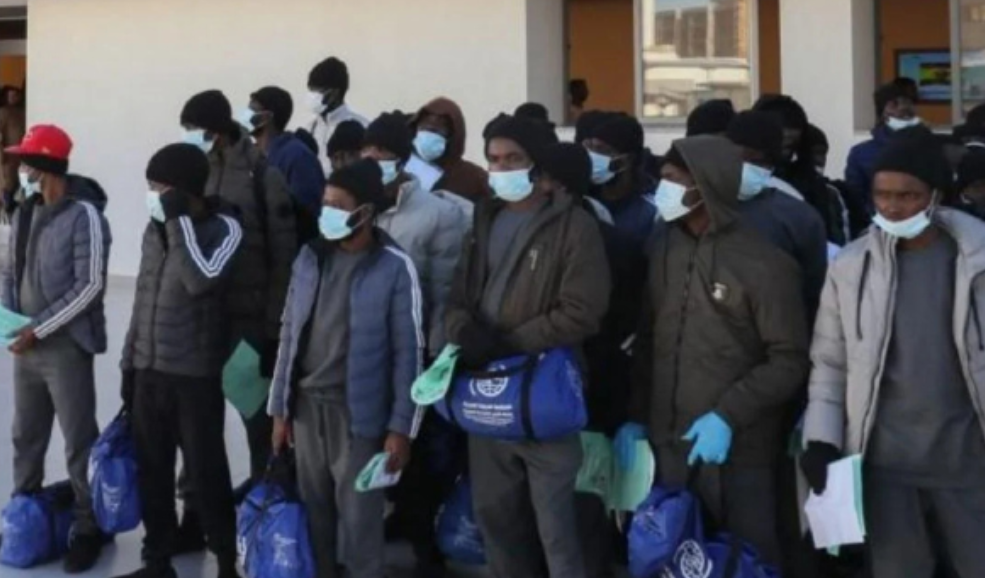
Canada has deported 366 Nigerian nationals within the last year, while 974 additional Nigerians are currently undergoing removal procedures, underscoring a significant tightening of immigration enforcement by Canadian authorities amid mounting domestic pressure on the country’s asylum and border management systems.
The figures, drawn from official Canadian immigration enforcement records, reflect one of the sharpest increases in removals involving Nigerian citizens in recent years. They also place Nigeria among the most affected countries as Canada accelerates efforts to clear a backlog of unresolved immigration and asylum cases.
A Noticeable Shift in Enforcement
Canadian immigration enforcement has entered a more assertive phase, marked by faster processing of deportation orders and increased removals of individuals whose legal status has expired or whose asylum applications have been denied. The removal of 366 Nigerians represents a notable departure from the lower figures recorded in previous years, when removals slowed due to pandemic-related disruptions and administrative delays.
The additional 974 Nigerians listed as facing removal are at various stages of the enforcement process. This category includes individuals with active deportation orders, those awaiting travel documentation, and others engaged in last-stage legal reviews.
Who Is Being Deported — and Why
Canadian law requires the removal of foreign nationals who are found to be inadmissible under the country’s immigration framework. In the case of Nigerian deportees, the majority fall into the category of failed refugee or asylum claimants — individuals whose applications for protection were fully reviewed and rejected.
Other grounds for removal may include visa overstays, misrepresentation in immigration applications, breaches of residency conditions, or criminal inadmissibility. Canadian authorities maintain that each case is assessed individually and that removals are carried out only after legal avenues of appeal have been exhausted.
Importantly, enforcement officials stress that deportation does not reflect a judgment on nationality, but rather on immigration status under Canadian law.
Nigeria’s Growing Presence in the Data
Nigeria has emerged as one of the most visible African countries in Canada’s recent removal statistics. While citizens of many countries face deportation, Nigeria stands out both in the number of completed removals and in pending cases.
This development contrasts with Nigeria’s otherwise strong migration footprint in Canada. Nigerians constitute one of the fastest-growing immigrant communities in the country, with large numbers entering through education, skilled migration, and family reunification pathways.
The rise in deportations, therefore, exists alongside continued legal migration, highlighting a dual reality: Canada remains open to regulated migration, while simultaneously enforcing strict compliance with its immigration rules.
Canada’s Domestic Pressures
The increase in removals comes at a time when Canada is confronting intense internal debates over immigration levels, housing shortages, healthcare capacity, and labour market absorption. Policymakers face the challenge of balancing humanitarian commitments with public concerns about system capacity and border integrity.
In response, immigration authorities have increased funding for enforcement operations, expanded removal teams, and prioritized the resolution of long-pending cases. Officials argue that a functioning immigration system requires both openness and enforcement, warning that delays in removals undermine public confidence.
Human Rights and Legal Concerns
The rising pace of deportations has also drawn attention from legal practitioners and migrant advocates, who caution that faster removals must not compromise due process. Concerns have been raised about access to legal representation, the speed of case reviews, and the humanitarian impact of deportations, particularly for individuals with long-term ties to Canada.
Canadian officials counter that legal safeguards remain intact and that individuals facing removal retain access to appeals, judicial review, and humanitarian considerations where applicable.
Implications for Nigerians Abroad
For Nigerians living in Canada without permanent legal status, the latest figures signal a more unforgiving enforcement environment. Immigration lawyers are advising migrants to regularize their status where possible, comply strictly with visa conditions, and seek legal guidance early if facing enforcement action.
The situation also carries lessons for prospective migrants, underscoring the importance of accurate documentation, lawful entry pathways, and realistic expectations about asylum eligibility.
Looking Ahead
With nearly 1,000 Nigerians still listed as facing removal, further deportations are likely in the months ahead unless legal outcomes change. Much will depend on court decisions, diplomatic coordination for travel documentation, and evolving Canadian immigration policies.
While Canada continues to project itself as a leading destination for lawful migration, the current enforcement drive demonstrates a clear message: entry and residence are privileges governed by law, and non-compliance carries consequences regardless of nationality.
As global migration pressures intensify, Canada’s actions may foreshadow similar enforcement trends in other major destination countries — making this development not only a national issue, but part of a wider international migration recalibration.