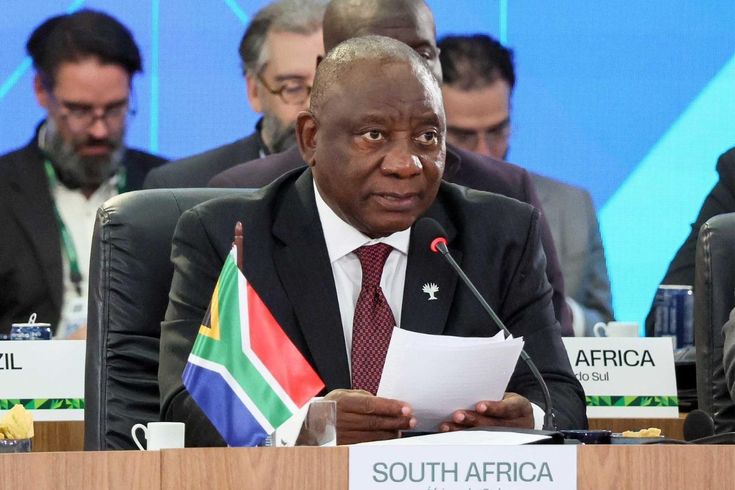
South Africa has voiced strong concern at the United Nations over the United States’ capture of Venezuelan President Nicolás Maduro, warning that the action risks reviving a troubling pattern of unilateral interventions with far-reaching global consequences.
Addressing an emergency UN forum, South Africa’s representative said the events surrounding Maduro’s removal echoed earlier episodes in international politics where powerful states acted outside multilateral frameworks, often with destabilizing results. “We have seen this movie before,” the envoy said, cautioning that such actions rarely end as promised and frequently leave regions more fractured than before.
Call for Respect for International Law
South Africa’s intervention centered on the principles of sovereignty, due process, and collective decision-making under international law. While acknowledging Venezuela’s long-running political and humanitarian crisis, the delegation argued that the capture of a sitting head of state by a foreign power sets a dangerous precedent if not grounded in clear legal authority.
“The erosion of established norms does not create stability,” the South African representative said. “It creates uncertainty, resentment, and cycles of retaliation.”
The remarks stopped short of defending Maduro’s record in office but emphasized that accountability must be pursued through lawful and internationally recognized mechanisms.
Concern Over Global Precedent
South Africa warned that normalizing such actions could weaken the authority of multilateral institutions, particularly the United Nations, by sidelining collective processes in favor of unilateral decisions.
Diplomats from several countries privately echoed concerns that the episode could embolden similar actions elsewhere, especially in regions already vulnerable to power imbalances. Others argued that the international system risks becoming increasingly selective in how rules are applied.
“This is not just about Venezuela,” a senior African diplomat said on the sidelines of the meeting. “It is about whether international law applies equally to all states.”
Divided International Reactions
Reactions within the UN were mixed. Some delegations emphasized the exceptional nature of Venezuela’s crisis and the alleged criminal accusations against Maduro, arguing that extraordinary circumstances sometimes require decisive action. Others aligned more closely with South Africa’s view, calling for restraint and renewed commitment to multilateral solutions.
The United States defended its actions as necessary to address what it described as threats to regional security and international law enforcement. U.S. officials maintained that the move was justified and aimed at facilitating a political transition in Venezuela.
South Africa’s Broader Position
South Africa’s stance is consistent with its longstanding foreign policy emphasis on multilateralism and negotiated solutions to conflicts. Drawing on its own history, the country has frequently warned against external interventions that bypass international consensus, arguing that sustainable peace requires inclusive political processes.
In its UN address, South Africa urged member states to refocus on diplomacy, humanitarian relief, and dialogue, warning that escalation could further destabilize Latin America and strain already fragile global relations.
An Uncertain Path Ahead
As debates continue at the United Nations, the long-term implications of Maduro’s capture remain unclear. What is evident is that the episode has reopened fundamental questions about power, legality, and the role of international institutions in managing crises.
South Africa concluded its remarks with a cautionary note: “History reminds us that actions taken outside the collective will of nations often carry consequences far beyond their original intent.”