The United States has announced its withdrawal from 66 international organisations, marking one of the most far-reaching rollbacks of American participation in multilateral institutions in decades and signaling a sharp turn in the country’s approach to global cooperation.
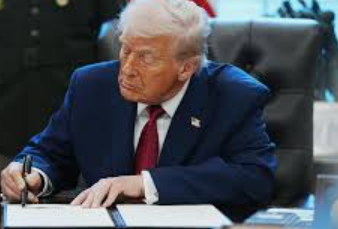
The decision, approved through an executive directive from the White House, affects a wide range of international bodies involved in climate policy, development, governance, education, and social programs. U.S. officials said the move reflects a reassessment of international commitments and a determination to reduce involvement in organisations deemed misaligned with national priorities.
According to administration officials, the withdrawals are part of a broader effort to redirect U.S. resources toward domestic objectives and bilateral partnerships. They argue that continued membership in some global institutions imposes financial obligations and policy constraints that no longer serve American interests.
While the full list of affected organisations has not been publicly detailed in a single document, government sources confirmed that the exits include both United Nations-linked agencies and independent international frameworks. Some of the withdrawals will take effect immediately, while others will unfold gradually depending on treaty obligations and withdrawal clauses.
The announcement has drawn swift reaction from international partners and diplomatic observers. Several global leaders expressed concern that the U.S. departure could weaken collective efforts on transnational challenges such as climate change, humanitarian assistance, public health, and conflict prevention. Diplomats at the United Nations warned that reduced U.S. engagement could shift influence toward other major powers.
Within the United States, the decision has sparked debate across political lines. Supporters of the move praised it as a long-overdue correction, arguing that international organisations often operate without sufficient accountability and constrain U.S. sovereignty. Critics, however, warned that disengagement risks diminishing America’s global leadership and undermining institutions that rely heavily on U.S. funding and expertise.
Foreign policy analysts note that the withdrawals do not necessarily end U.S. involvement in global affairs but instead reflect a preference for unilateral action and selective cooperation. They caution, however, that stepping away from multilateral platforms could limit Washington’s ability to shape global rules and norms.
Some of the affected organisations have acknowledged receiving notice of the U.S. decision, while others said they are still awaiting formal communication. In several cases, legal and financial obligations may continue during transition periods, even after withdrawal notices are issued.
The move adds to a growing list of policy actions that signal a retreat from international institutions and a redefinition of America’s role on the world stage. As the withdrawals begin to take effect, their long-term impact on global governance, diplomacy, and international cooperation is expected to unfold gradually.
For now, the decision underscores a clear message from Washington: the United States is recalibrating how—and with whom—it engages the world.