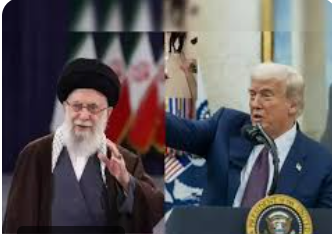
U.S. President Donald Trump has issued a sharp warning to Iran, declaring that the United States is prepared to take decisive military action if Tehran continues on what Washington describes as a dangerous and destabilizing path. The remarks have intensified speculation that U.S. strikes could be imminent, even as diplomatic channels remain technically open.
Speaking amid rising tensions in the Middle East and renewed unrest inside Iran, Trump said the U.S. would not tolerate actions that threaten regional stability, American interests, or allied nations. While stopping short of announcing a specific timetable, the president’s language suggested that military options are no longer hypothetical.
“We are watching Iran very closely,” Trump said, emphasizing that the administration has “strong choices” available and is willing to act swiftly if red lines are crossed.
A climate of escalation
The warning comes at a moment of heightened volatility. Iran is facing internal pressure from widespread protests and external scrutiny over its regional activities. U.S. officials have accused Tehran of fueling instability through proxy forces and warned that further escalation could trigger a direct response.
Senior figures within the Trump administration have echoed the president’s stance, stressing that Washington prefers a negotiated outcome but will not hesitate to use force if diplomacy fails or if U.S. interests are threatened.
According to U.S. officials, military readiness in the region has been quietly reinforced, a move widely interpreted as a signal meant to deter Iranian action—or prepare for rapid escalation.
Iran pushes back
Tehran has responded defiantly, insisting it will defend itself against any attack and warning that U.S. strikes would provoke retaliation. Iranian leaders have rejected Washington’s accusations, framing them as political pressure tactics rather than legitimate security concerns.
At the same time, Iranian officials have hinted that dialogue remains possible, though only under conditions they describe as “mutual respect” and an end to what they call U.S. intimidation.
Markets and allies on edge
Trump’s warning has rippled beyond Washington and Tehran. Global energy markets reacted nervously, while U.S. allies in Europe and the Middle East urged restraint, calling for de-escalation and renewed diplomatic engagement.
Privately, some diplomats fear that miscalculation on either side could turn rhetoric into confrontation, particularly given the compressed timelines implied by the president’s remarks.
A familiar Trump doctrine
Analysts say the moment reflects a familiar Trump approach: maximum pressure combined with deliberate ambiguity. By keeping both diplomacy and military action in play, the administration appears intent on forcing Iran to choose between negotiations and confrontation.
For now, no official strike order has been announced. But Trump’s message was unmistakable: the window for patience is narrowing, and Washington wants Tehran to take the warning seriously.
As tensions continue to rise, the world is watching closely to see whether the next move comes at the negotiating table—or on the battlefield.