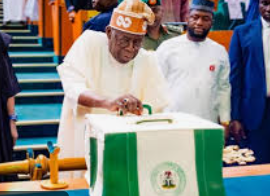

Nigeria’s federal government has hired a Washington-based lobbying firm to communicate its efforts to protect Christian communities and push back against growing international criticism of the country’s security situation, according to officials familiar with the engagement.
The move follows heightened scrutiny from U.S. lawmakers and advocacy groups over violence linked to insurgency, banditry, and communal clashes, some of which have disproportionately affected Christian populations in parts of northern and central Nigeria. Recent actions in the United States, including policy reviews and public statements referencing religious freedom, have added diplomatic pressure on Abuja.
Government sources said the lobbying contract is intended to present Nigeria’s position directly to U.S. policymakers, highlighting military operations, security reforms, and interfaith initiatives aimed at protecting civilians of all religious backgrounds. Officials insist the violence is driven primarily by security and criminal challenges rather than religious persecution.
Nigeria has long rejected claims that it tolerates or enables attacks on Christians, arguing that extremist groups and armed criminal networks target communities indiscriminately. Authorities say the lobbying effort is meant to correct what they describe as an oversimplified narrative gaining traction abroad.
Critics, however, argue that the decision to hire foreign lobbyists underscores the seriousness of international concern and say the government should focus more on measurable improvements in security and accountability at home. Religious leaders and civil society groups continue to call for stronger protection for vulnerable communities and more transparent reporting of attacks.
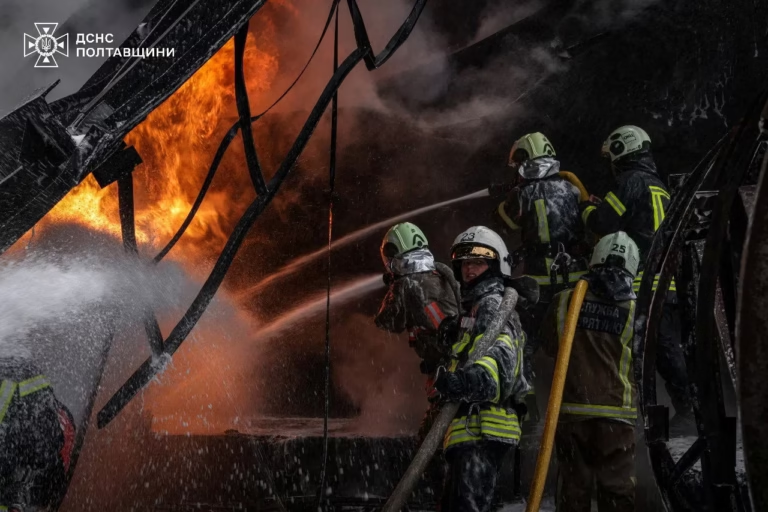
The federal government has increased defense spending and launched several security operations over the past year, but violence has persisted in multiple regions, complicating efforts to reassure international partners. Analysts say perceptions abroad can influence foreign policy decisions, military cooperation, and aid considerations.
Nigeria’s embassy in Washington declined to comment on the specifics of the contract but said the country remains committed to engaging constructively with U.S. officials and addressing concerns related to human rights and security.
As diplomatic engagement intensifies, observers say the lobbying campaign will test whether Nigeria can shift the international conversation while delivering tangible improvements in safety for communities affected by ongoing violence.