
A healthy lifestyle matters more than ever because human health is being challenged from multiple directions at once—biological, environmental, social, and technological. These pressures don’t act in isolation; they compound each other, making everyday choices increasingly important.
Rising Burden of Chronic Disease
Non-communicable diseases such as heart disease, diabetes, obesity, and certain cancers now account for the majority of premature deaths worldwide. Many of these conditions are strongly linked to lifestyle factors including poor diet, physical inactivity, smoking, excessive alcohol use, and chronic stress. A healthy lifestyle reduces risk, slows disease progression, and improves quality of life—even when genetics or age cannot be changed.
Environmental and Climate Stressors
Air pollution, extreme heat, emerging infectious diseases, and food insecurity place additional strain on human health. Healthy bodies are more resilient: good nutrition supports immune function, regular physical activity improves cardiovascular and respiratory capacity, and adequate sleep helps regulate inflammation and recovery.
Mental Health Pressures
Modern life brings constant connectivity, work intensity, social isolation, and uncertainty. Anxiety, depression, and burnout are rising across age groups. Healthy habits—exercise, balanced routines, sufficient rest, and social connection—are proven protective factors for mental well-being and cognitive health.
Weakened Immune Defenses
Global travel, urban density, and antibiotic resistance increase exposure to infectious threats. While lifestyle choices cannot prevent all illness, they strongly influence immune response. Nutrition, sleep, stress management, and physical activity all play a measurable role in how the body responds to infections.
Health Inequality and System Strain
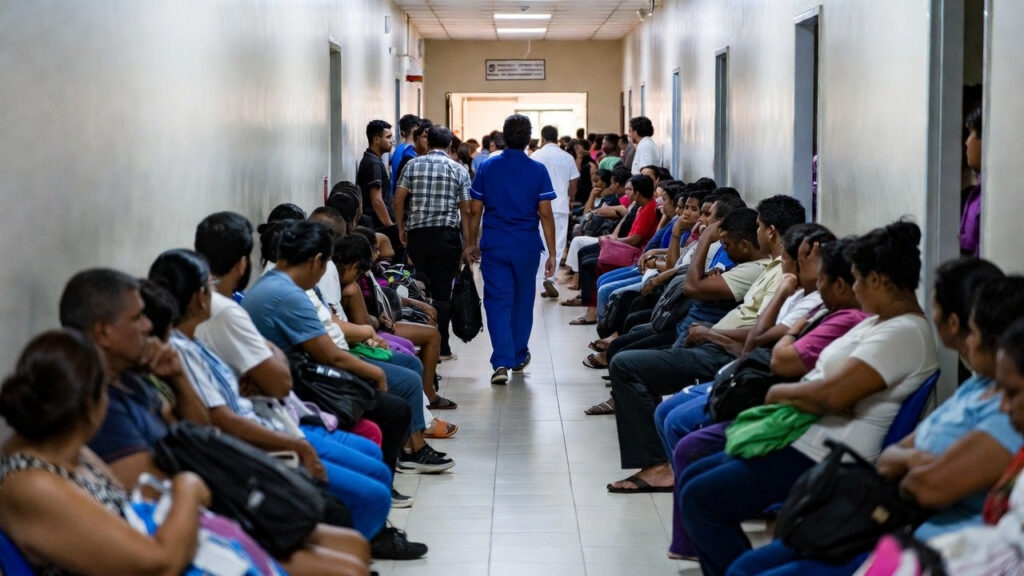
Healthcare systems worldwide are under pressure from aging populations and rising costs. Prevention through healthy living reduces long-term healthcare burden and empowers individuals to maintain independence and productivity for longer.
Aging Populations
As life expectancy increases, the goal is not just to live longer but to live healthier. Lifestyle choices made earlier in life directly affect mobility, cognitive function, and independence in older age.
Why It Matters Now
In an era of rapid change and growing uncertainty, a healthy lifestyle is one of the most accessible and effective tools individuals have to protect themselves. It does not require perfection—only consistency. Small, sustained habits compound over time, strengthening both physical and mental resilience.
The Bottom Line
A healthy lifestyle is not about avoiding all illness; it is about building capacity—to adapt, recover, and thrive despite challenges. As the pressures on human health continue to grow, personal well-being becomes not just a personal choice, but a foundation for societal resilience.