The European Union’s decision to designate Iran’s Islamic Revolutionary Guard Corps as a terrorist organization marks one of the most consequential shifts in EU–Iran relations in decades. It is not a symbolic gesture, nor a routine diplomatic rebuke. It is a political line drawn in response to sustained repression at home, destabilizing behavior abroad, and the growing conviction in Europe that engagement without accountability has reached its limits.
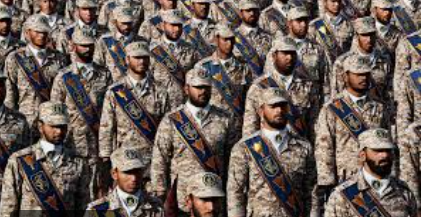
The IRGC is not a conventional military force. Since its creation after Iran’s 1979 revolution, it has evolved into a parallel power structure that blends military authority, intelligence operations, economic control, and ideological enforcement. Inside Iran, it plays a central role in internal security and crowd control. Beyond Iran’s borders, it operates through proxy groups and regional networks that have shaped conflicts from Lebanon to Syria, Iraq, and Yemen. For years, European governments treated this reality as a problem to be managed cautiously, wary that a harder stance could close diplomatic channels or escalate tensions.
That caution eroded as protests swept Iran and were met with force. Demonstrations driven by demands for basic freedoms, women’s rights, and political accountability were answered with mass arrests, intimidation, and lethal violence. The IRGC’s role in suppressing dissent became impossible to separate from the broader human rights crisis. For many European policymakers, the question shifted from whether the designation was provocative to whether continued restraint was morally and politically defensible.
By listing the IRGC as a terrorist organization, the EU is asserting that systemic repression and external destabilization are not internal matters shielded by sovereignty. The designation opens the door to asset freezes, travel bans, and criminal penalties linked to material support. It also sends a clear signal that the EU is willing to align its human rights rhetoric with tangible legal consequences, even when the target is a central pillar of a state rather than a non-state actor.
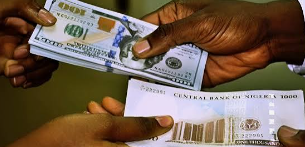
Tehran’s reaction was swift and defiant. Iranian officials condemned the move as hostile and illegitimate, warning of retaliation and accusing Europe of politicizing terrorism designations. The response reflects not only diplomatic anger but strategic anxiety. The IRGC is deeply embedded in Iran’s political economy, controlling significant commercial interests and influencing foreign policy decisions. Sanctions that further isolate the organization risk tightening economic pressure at a time when Iran is already grappling with inflation, currency instability, and public frustration.
For the European Union, the decision carries real costs and risks. It complicates any future negotiations, including efforts to revive nuclear diplomacy. It exposes European interests in the region to potential retaliation through cyber operations, proxy actions, or diplomatic escalation. And it tests