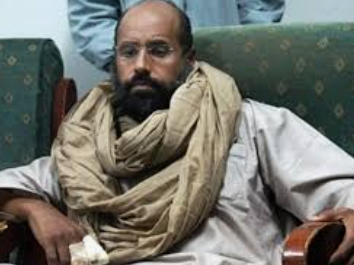
Libya has once again been shaken by breaking and tragic news, as reports indicate that Saif al-Islam Gaddafi, the son of the country’s former leader Colonel Muammar Gaddafi, has been assassinated.
According to multiple sources and early media reports, Saif al-Islam was killed on February 3, 2026, in the western Libyan town of Zintan, where he had reportedly been residing in recent years. The circumstances surrounding the attack remain unclear, but initial accounts suggest that armed assailants stormed his home and carried out the killing before fleeing the scene.
At the time of writing, no group has officially claimed responsibility, and Libyan authorities are said to have opened an investigation into the incident.
A Figure of Controversy and Political Weight
Saif al-Islam Gaddafi has long remained one of the most controversial and politically significant figures in post-2011 Libya.
Once viewed as a potential successor to his father during Muammar Gaddafi’s decades-long rule, Saif became a central figure during the 2011 uprising that ended the regime. After his capture later that year, he disappeared from public life for a long period, only resurfacing years later amid reports of his release.
In recent times, he had attempted to re-enter Libya’s political landscape, including expressing ambitions to contest national elections — a move that divided public opinion across the country.
To some, he represented unfinished history. To others, he symbolized a return to an era Libya has struggled to move beyond.
What This Means for Libya’s Fragile Future
This assassination is likely to carry major political consequences.
Libya has remained deeply unstable since the fall of the Gaddafi government, with rival factions, armed groups, and competing political authorities continuing to vie for control.
The killing of such a high-profile figure could:
- Trigger renewed tensions among political camps
- Spark retaliation or unrest in key regions
- Complicate ongoing efforts toward national elections
- Shift alliances among armed and political actors
Observers warn that Libya’s path toward long-term stability remains uncertain, and events like this underscore the fragile nature of the country’s current transition.
Unanswered Questions
For now, the assassination raises more questions than answers:
- Who was behind the attack?
- Was it politically motivated?
- What impact will it have on Libya’s election roadmap?
- Could this lead to further violence or instability?
As investigations continue, Libyans and the international community will be watching closely.
Final Thoughts
The reported assassination of Saif al-Islam Gaddafi marks another dramatic chapter in Libya’s turbulent post-revolution journey. Whether this becomes a moment of further division or a catalyst for renewed political recalibration remains to be seen.
One thing is clear: Libya’s struggle for peace, unity, and stable governance is far from over.