
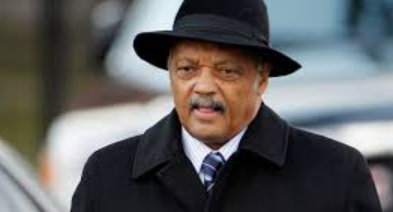
The United States has lost one of its most recognisable civil rights voices as Rev. Jesse Jackson, a longtime activist, political leader, and champion of racial justice, has died at the age of 84.
Jackson, whose public life spanned more than five decades, was widely regarded as a bridge between the historic civil rights struggles of the 1960s and the evolving movements for equality in modern America. His family confirmed his death, marking the end of an era for one of the country’s most influential advocates for social change.
A Defining Voice in America’s Civil Rights Story
Born in the segregated American South, Jackson rose to national prominence during a period of intense racial division and transformation. He became known for his powerful speeches, grassroots organising, and ability to mobilise communities around issues of justice, voting rights, and economic opportunity.
Early in his career, Jackson worked closely with the Rev. Martin Luther King Jr., participating in key civil rights campaigns that helped dismantle legal segregation and expand political rights for Black Americans.
After King’s assassination, Jackson emerged as one of the movement’s most visible leaders, continuing the fight through new organisations and political platforms.
Building Institutions for Social Justice
Jackson founded initiatives aimed at empowering marginalised communities, focusing not only on civil rights legislation but also on economic inclusion. Through decades of activism, he pushed for fair employment, corporate accountability, and expanded access to education and political participation.
His work helped shape conversations about equality beyond race, often emphasising coalitions across different communities facing discrimination or exclusion.
Historic Presidential Campaigns
In the 1980s, Jackson broke new ground in American politics by running for the Democratic presidential nomination. His campaigns were widely seen as milestones, demonstrating that Black candidates could compete seriously on the national stage and reshaping political engagement among minority voters.
Though he did not win the nomination, his influence extended far beyond electoral results. Many analysts credit his campaigns with laying groundwork for future generations of diverse political leadership in the United States.
Global Advocacy Beyond America
Jackson’s activism was not limited to domestic issues. He also became known internationally for supporting human rights causes abroad, including efforts against apartheid in South Africa and diplomatic missions that drew global attention.
His ability to connect civil rights struggles in the United States with broader global movements made him one of the most internationally recognised American activists of his time.
Final Years and Health Struggles
In later life, Jackson faced serious health challenges, including neurological illness, which reduced his public appearances. Despite this, he remained an enduring symbol of the civil rights tradition and continued to be referenced by activists and leaders addressing inequality in the 21st century.
A Legacy That Endures
Jesse Jackson’s death closes a major chapter in the long fight for civil rights in America. For supporters, he represented persistence, moral urgency, and the belief that political power could be used as a tool for social transformation.
As tributes continue to emerge, Jackson is being remembered not only as a historic figure of protest and politics, but as a voice that helped shape the language of justice, equality, and inclusion for generations.