
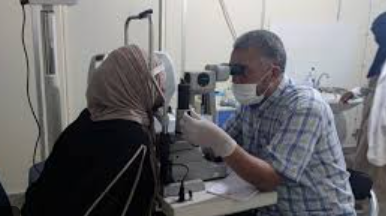
The World Health Organization has officially confirmed that Libya has eliminated trachoma as a public health problem — marking a significant victory for the country’s healthcare system and for global efforts to combat preventable blindness.
Trachoma is a contagious bacterial eye infection that can lead to irreversible blindness if left untreated. It is closely linked to poor sanitation, limited access to clean water, and inadequate healthcare services. For decades, it has affected vulnerable communities in parts of Africa, Asia, and the Middle East.
A Major Public Health Achievement
The validation means Libya has met WHO’s strict criteria, demonstrating that infection rates have fallen below the threshold considered a public health threat. While isolated cases may still occur, the disease no longer poses a widespread risk to communities.
Health officials credit the achievement to sustained national campaigns that focused on early detection, antibiotic distribution, corrective eye surgeries for advanced cases, and improvements in hygiene awareness.
Progress Despite Challenges
Libya’s success is particularly notable given the political and economic difficulties the country has faced in recent years. Public health programs often struggle in fragile settings, yet coordinated efforts between local authorities, health workers, and international partners ensured that trachoma control remained a priority.
Mobile health teams reached remote communities, while surveillance systems were strengthened to monitor and respond to potential outbreaks.
Why It Matters Globally
Eliminating trachoma as a public health problem is part of a broader international strategy to combat neglected tropical diseases. Each country that achieves elimination brings the world closer to reducing preventable blindness and improving quality of life for millions.
Libya now joins a growing list of nations that have successfully met global elimination standards — demonstrating that even in challenging environments, long-term commitment to public health can yield transformative results.
The Road Ahead
Although elimination has been achieved, experts stress the importance of continued surveillance and investment to prevent resurgence. Sustaining gains will require ongoing community engagement, access to clean water and sanitation, and a resilient healthcare system.
For Libya, the milestone is more than a health statistic — it is a sign of recovery, resilience, and renewed hope for stronger public health outcomes in the years ahead.