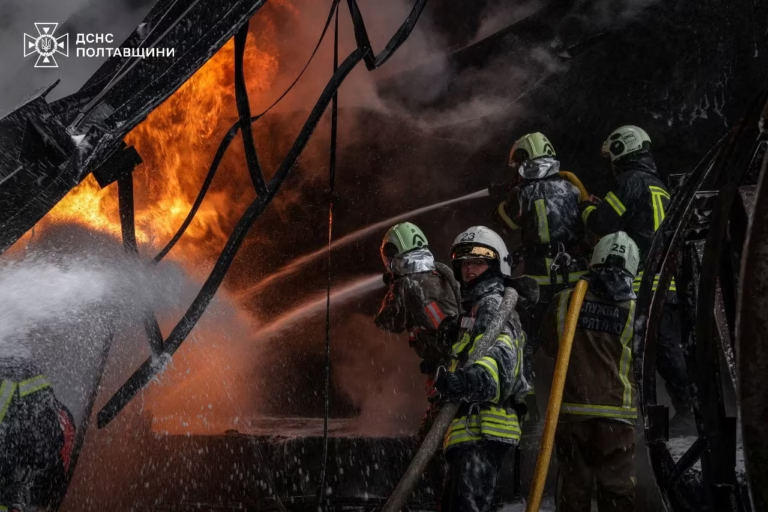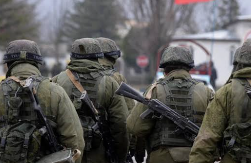
Tensions between Pakistan and Afghanistan have sharply escalated after Pakistan launched military strikes along its western border, targeting what it described as militant hideouts inside Afghan territory. The cross-border action has once again exposed the fragile and often volatile relationship between the two neighbors, whose shared frontier has long been a flashpoint for insurgency, militancy, and diplomatic strain.
The strikes were reportedly carried out in areas near the mountainous boundary that separates Pakistan’s Khyber Pakhtunkhwa province from eastern Afghanistan. Pakistani officials said the operation targeted members of the Tehrik-i-Taliban Pakistan (TTP), a militant group responsible for numerous attacks inside Pakistan in recent years. According to Islamabad, the militants had crossed into Afghanistan and were using safe havens there to plan and launch operations against Pakistani security forces and civilians.
Afghanistan’s Taliban-led government strongly condemned the strikes, describing them as a violation of Afghan sovereignty. The administration in Kabul accused Pakistan of conducting unilateral military action without coordination, warning that such operations risk further destabilizing the region.
A Long and Complicated Border
At the center of the dispute is the nearly 2,600-kilometer frontier known as the Durand Line, drawn in 1893 during British colonial rule. While Pakistan recognizes the border as international and legally binding, successive Afghan governments have historically disputed its legitimacy. The disagreement has fueled periodic tensions and complicated efforts at cross-border security cooperation.
Militant activity along the border has intensified since the Taliban regained power in Kabul in August 2021. Islamabad has repeatedly expressed concern that Afghan territory is being used by anti-Pakistan militant groups, particularly the TTP. The group, ideologically aligned with the Afghan Taliban but organizationally distinct, seeks to overthrow the Pakistani state and impose its own interpretation of Islamic governance.
Pakistan has witnessed a surge in militant attacks over the past two years, including assaults on police stations, army posts, and civilian targets. Security officials argue that cross-border sanctuaries enable the TTP to regroup and launch coordinated strikes.
Why Now?
The timing of the latest operation appears linked to a series of deadly attacks inside Pakistan that authorities attributed to militants operating from across the border. Public pressure has mounted on the government and military leadership to respond decisively.
Pakistani officials have maintained that they prefer diplomatic engagement but will act unilaterally if national security is threatened. The military has conducted cross-border operations before, though such actions often trigger diplomatic backlash from Kabul.
For Afghanistan’s Taliban government, the strikes present a delicate challenge. On one hand, they deny allowing foreign militants to operate on Afghan soil. On the other, they must manage internal dynamics involving armed factions with ideological ties to the TTP. Publicly confronting or cracking down on such groups could risk internal fractures within their own ranks.
Regional Implications
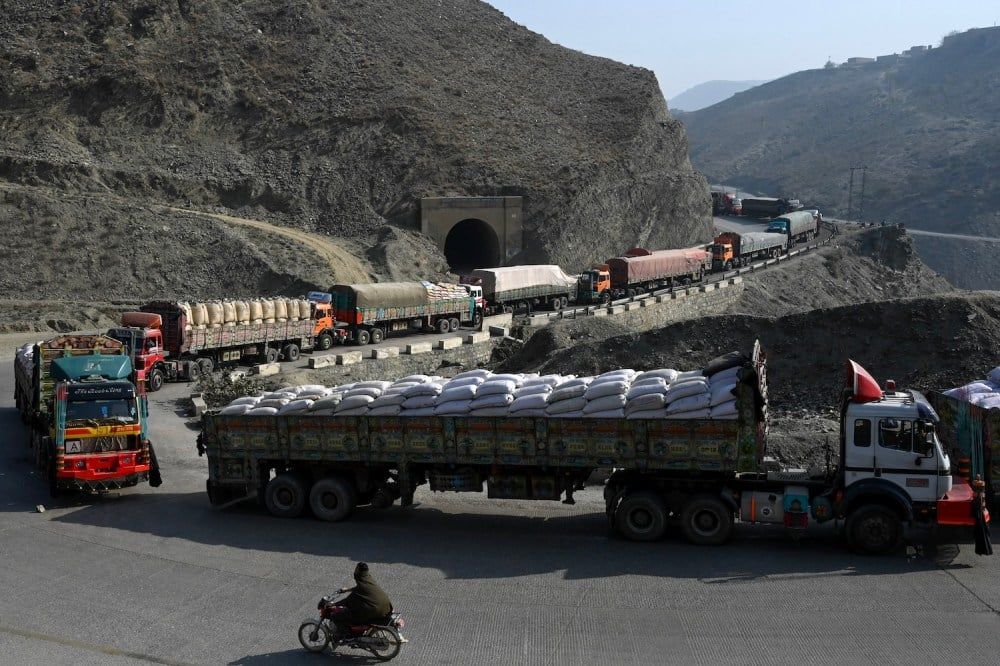
Escalation between Pakistan and Afghanistan carries significant regional consequences. Both countries face fragile economic conditions, humanitarian pressures, and security vulnerabilities. Any sustained conflict could disrupt trade routes, border crossings, and humanitarian aid flows.
The border region is also home to millions of Pashtuns who share ethnic, cultural, and family ties across both sides. Military action risks inflaming local grievances and displacing communities already burdened by decades of war.
International observers are concerned that deteriorating relations could undermine broader counterterrorism cooperation. Stability in Afghanistan remains a priority for regional powers, including China, Iran, and Central Asian states, all of whom worry about spillover extremism.
Diplomatic Fallout
Following the strikes, Afghan officials summoned Pakistan’s chargé d’affaires to protest the operation. Pakistan, in turn, reiterated its position that it reserves the right to defend itself against cross-border threats.
Diplomatic channels remain open, but trust appears strained. Past attempts at security coordination—including border fencing and intelligence sharing—have faced setbacks due to mutual suspicion.
The Taliban government has called for dialogue rather than force, though it also warned that further violations would be met with consequences. Analysts note that rhetoric on both sides often intensifies after such incidents but may cool behind closed doors to avoid full-scale confrontation.
The Broader Security Context
The resurgence of militant violence in Pakistan has complicated its internal political landscape. Security concerns intersect with economic instability and political polarization. The military remains a dominant force in shaping national security policy, particularly in relation to Afghanistan.
Meanwhile, Afghanistan continues to grapple with economic isolation, limited international recognition, and humanitarian crises. Border tensions add another layer of uncertainty to an already fragile environment.
Experts caution that repeated tit-for-tat actions could spiral if not managed carefully. Limited airstrikes or artillery exchanges might remain contained, but miscalculations could trigger broader clashes.
What Comes Next?
The immediate question is whether the strikes represent a one-off response or the beginning of a more sustained campaign. Much will depend on whether Pakistan sees a reduction in cross-border attacks and whether Kabul takes visible steps to address militant activity.
Back-channel diplomacy may intensify in the coming weeks. Both governments have incentives to avoid open conflict. Pakistan seeks stability along its western flank, while Afghanistan’s Taliban leadership aims to prevent further isolation and economic disruption.
Still, the structural issues underlying the dispute—border recognition, militant sanctuaries, and ideological overlap between armed groups—remain unresolved. Without coordinated mechanisms for accountability and trust-building, flare-ups are likely to recur.
For now, the strikes serve as a stark reminder that the Afghanistan-Pakistan frontier remains one of the most sensitive and volatile regions in South Asia. As both sides navigate a complex web of security threats and political pressures, the path forward will require careful balancing between deterrence and diplomacy.
Whether this episode becomes a turning point toward deeper security cooperation—or another chapter in a long history of mistrust—will depend on decisions made in Islamabad and Kabul in the days ahead.