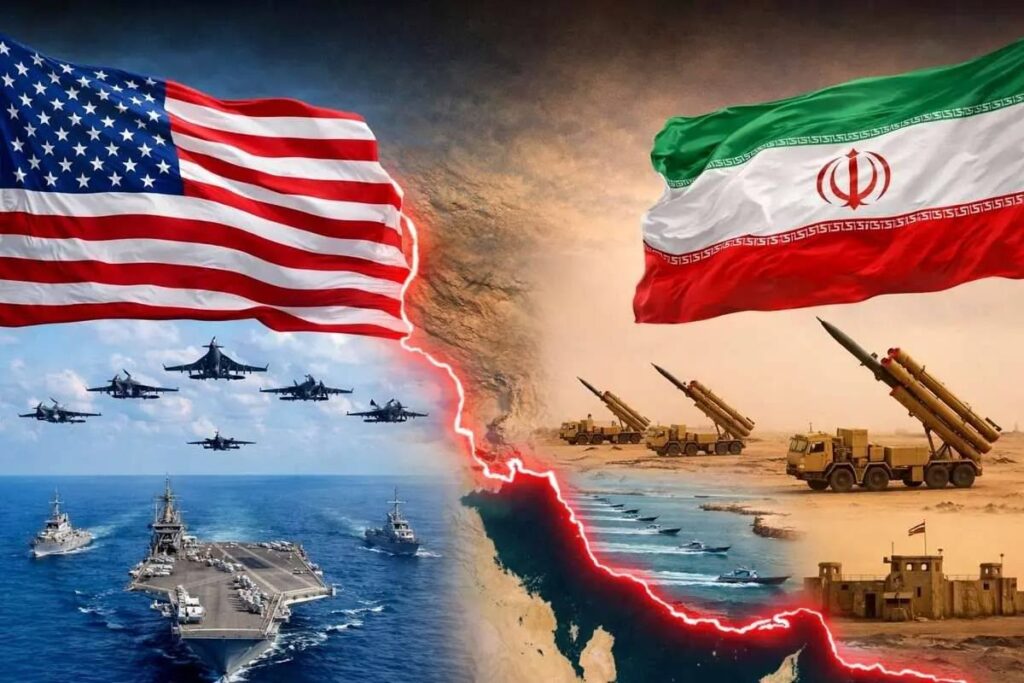
The latest round of negotiations between the United States and Iran has ended without a formal agreement, confirming that major differences remain despite what mediators described as significant
progress in discussions aimed at easing one of the world’s most sensitive geopolitical standoffs. The indirect talks, held in Geneva and mediated by Oman, focused primarily on Iran’s nuclear programme and the potential lifting of U.S. sanctions, issues that have defined relations between the two countries for decades.
Officials from both sides concluded hours of negotiations without announcing a deal, but neither delegation described the talks as a failure. Mediators confirmed that discussions would continue after consultations in Washington and Tehran, with technical-level meetings expected to follow as negotiators attempt to narrow remaining gaps.
The central dispute remains unchanged. The United States is seeking verifiable guarantees that Iran cannot develop nuclear weapons capability, while Iran insists on maintaining its right to uranium enrichment and demands meaningful sanctions relief as part of any agreement. These opposing priorities have repeatedly slowed diplomatic progress, and the Geneva talks demonstrated that bridging the divide will require further negotiation.
Iranian officials described the discussions as serious and detailed, noting that negotiators examined possible frameworks covering both nuclear restrictions and sanctions issues. However, Tehran continues to reject proposals that would require dismantling nuclear infrastructure or permanently ending enrichment activities, positions that remain major obstacles to a final deal.
The negotiations took place against a backdrop of heightened regional tension and increased military activity across parts of the Middle East, raising concerns that failure of diplomacy could increase the risk of confrontation. Analysts say the continuation of talks itself is significant, as sustained dialogue helps reduce the likelihood of sudden escalation even when immediate breakthroughs remain elusive.
This round marked another phase of renewed diplomacy following earlier meetings aimed at reviving a framework that would limit Iran’s nuclear activities in exchange for economic relief. Both sides acknowledged that technical details — including verification mechanisms, enrichment limits, and the sequencing of sanctions removal — remain unresolved and will require further expert-level negotiations.
International reaction has been cautious but broadly supportive, with many governments welcoming the decision to continue discussions rather than abandon diplomacy altogether. Security analysts and global markets are watching developments closely, recognizing that progress or failure in U.S.–Iran negotiations can influence energy prices, regional stability, and broader geopolitical dynamics.
For now, diplomacy remains active but uncertain. The absence of a clear agreement highlights the deep mistrust that still shapes U.S.–Iran relations, yet the willingness to keep negotiating signals recognition on both sides that confrontation would carry far greater risks. The next rounds of talks are expected to determine whether recent progress can evolve into a workable agreement or whether the long-running nuclear dispute will continue unresolved.