
The United Kingdom government has announced a significant downward revision to its economic growth forecast for 2026, reflecting a period of uncertainty and mounting concern over the domestic and global
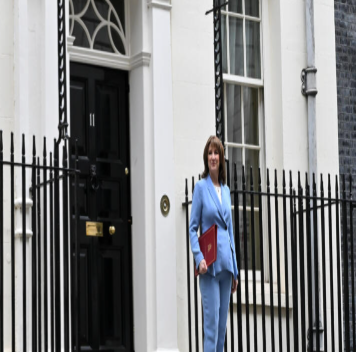
economic environment. Chancellor Rachel Reeves delivered the Spring Statement, which serves as the government’s mid-year economic update, presenting a detailed overview of expected revenues, expenditures, and fiscal policy adjustments. The announcement came at a time when the UK economy is facing multiple pressures, including the lingering effects of the COVID-19 pandemic, rising energy and commodity prices, international trade uncertainties, and ongoing geopolitical tensions, all of which contribute to an increasingly complex landscape for policy planning and economic management.
Reeves’ statement indicated that the revised growth figures represent a departure from earlier forecasts, which had projected moderate expansion in output, employment, and consumer spending. The downward adjustment reflects slower-than-anticipated business investment, reduced household consumption, and continued inflationary pressures that have eroded real incomes across much of the population. Analysts point to a combination of domestic and external factors that are influencing the economy’s trajectory. Domestically, energy prices remain volatile due to supply chain disruptions and global demand fluctuations, increasing the cost of living and putting additional strain on both households and businesses. The government has attempted to mitigate these pressures through targeted support schemes and subsidies, but the scale of the challenges has necessitated a reassessment of projected growth and fiscal performance.
Internationally, the UK is navigating a period of heightened uncertainty in global markets. Trade disruptions, changing patterns of supply and demand, and geopolitical conflicts have all contributed to volatility in the financial and commodities markets, with direct implications for the UK economy. In particular, the impact of ongoing tensions in Europe, the Middle East, and Asia has influenced export prospects, investment decisions, and the stability of supply chains for key goods. The Spring Statement emphasized that while the UK remains committed to maintaining open trade relationships and fostering economic resilience, it must also acknowledge the potential for shocks that could further suppress growth in the coming months. The revised forecast reflects this cautious approach, taking into account both immediate challenges and the potential for continued instability in global markets.
Chancellor Reeves outlined specific areas of concern that underpin the government’s revised projections. Consumer spending, a major driver of the UK economy, has been affected by rising prices and wage stagnation, which together reduce household purchasing power. Inflation remains elevated, driven in part by energy costs, housing expenses, and the price of imported goods, which have been affected by exchange rate fluctuations and higher transport costs. The combination of these factors has constrained discretionary spending, limiting growth in retail, hospitality, and service sectors. Additionally, businesses face higher operating costs and uncertainty about demand, leading some to delay investment or expansion plans, which in turn affects employment growth and productivity. Reeves highlighted that these interconnected factors have contributed to the decision to revise the growth forecast downward, emphasizing the government’s responsibility to plan conservatively in light of current conditions.
The Spring Statement also addressed the implications of the revised growth forecast for government finances. Slower economic expansion is likely to reduce tax revenues, creating additional pressure on public finances at a time when spending needs remain high. Reeves indicated that the government would continue to prioritize essential public services, including health, education, and social support programs, while carefully managing debt and borrowing. Fiscal measures aimed at supporting vulnerable populations, stabilizing key sectors, and maintaining confidence in the economy were reiterated, though the chancellor stressed that the scale of the challenges requires both prudence and flexibility in policymaking. These considerations are central to the government’s approach to balancing growth, stability, and social welfare in a period of economic uncertainty.
In addition to immediate fiscal and monetary concerns, the statement considered structural and long-term factors that could shape the UK economy over the next decade. Reeves highlighted the importance of investment in infrastructure, technology, and skills development as a means of fostering sustainable growth, increasing productivity, and maintaining competitiveness in the global economy. Strategic initiatives to promote green energy, digital innovation, and regional development were also discussed, reflecting a broader vision for economic resilience that extends beyond short-term fluctuations. While the downward revision of the growth forecast represents a cautionary approach to 2026, the government emphasized that long-term planning and strategic investment remain priorities to ensure the economy can adapt and thrive in the face of both domestic and international challenges.
The Spring Statement also addressed labor market considerations, noting that while employment levels have remained relatively stable, wage growth has not kept pace with inflation, reducing real household incomes. This dynamic has implications for consumer confidence, spending patterns, and social stability. The government reaffirmed its commitment to supporting job creation, skill development, and workforce participation through targeted programs and incentives, recognizing that a resilient and adaptable labor market is essential for economic growth. Additionally, measures to support businesses in managing rising costs and maintaining employment were highlighted, reflecting a dual focus on protecting both workers and enterprises during a period of financial strain.
Financial markets and business leaders have reacted to the revised growth forecast with caution, emphasizing the need for clarity, consistency, and credible policy measures to stabilize the economy. Investors have closely monitored the government’s fiscal stance, monetary policy signals, and planned interventions to support economic activity, recognizing that uncertainty can influence investment decisions, market confidence, and long-term planning. Reeves’ statement aimed to provide a balance between realistic projections and reassurance that the government remains proactive in managing the economy, addressing immediate risks, and laying the foundation for sustainable growth despite current challenges.
Overall, the revision of the 2026 growth forecast reflects a careful reassessment of the UK’s economic trajectory amid a complex mix of domestic pressures and global uncertainties. By emphasizing prudent fiscal management, strategic investment, and targeted support, the government seeks to navigate a period of slower growth while maintaining social stability and protecting key economic sectors. The Spring Statement underscores the interconnected nature of inflation, consumer spending, investment, employment, and global trade, demonstrating that effective economic planning requires both immediate responsiveness and long-term vision. The next months will be crucial in observing how these policies are implemented, how businesses and households adapt, and how international developments influence the UK’s economic performance, shaping the broader outlook for growth, stability, and prosperity in 2026 and beyond.