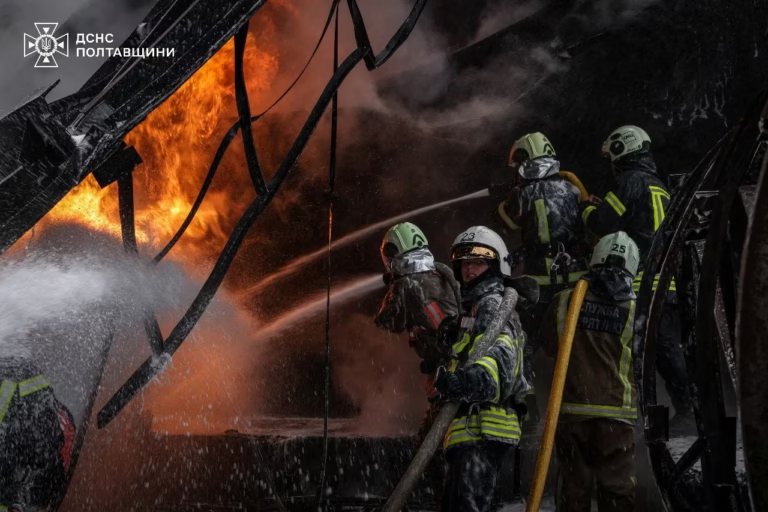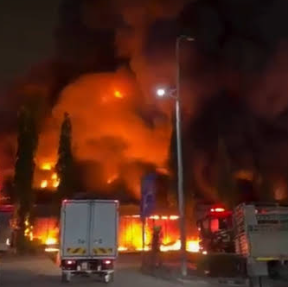
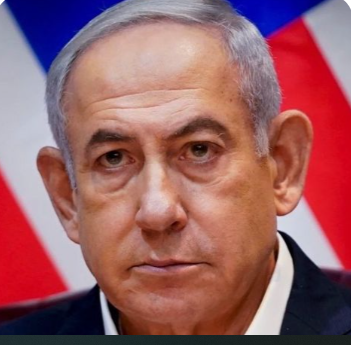
Israel has issued a strong warning that whoever becomes the next Supreme Leader of Iran could be considered a legitimate military target if they continue policies viewed as hostile toward the Israeli state.
The statement was made by Israel Katz, who indicated that leadership change in Tehran would not alter Israel’s strategic posture if the new figure maintains what Israel describes as aggressive regional ambitions. The remarks come at a time of heightened confrontation between Israel and Iran, with both sides engaged in indirect and direct hostilities across multiple fronts in the Middle East.
According to Israeli officials, the warning is part of a broader security doctrine that prioritizes preemptive and deterrent measures against perceived existential threats. Israel has long accused Iran’s leadership of supporting armed groups hostile to Israel and pursuing military capabilities that could shift the regional balance of power. In that context, Israeli authorities argue that leadership identity is secondary to policy direction. If a successor to Iran’s Supreme Leader continues strategic, military, and ideological positions seen as threatening, Israel suggests it would respond accordingly, regardless of the individual’s name or status.
This development significantly raises the stakes in an already volatile regional environment. Targeting rhetoric directed at a country’s highest political and religious authority represents an extraordinary escalation in diplomatic and military language. While Israel has previously carried out operations against Iranian military assets and affiliated groups in various parts of the Middle East, explicitly referencing a future Supreme Leader intensifies the confrontation beyond conventional strategic signaling. Analysts note that such language is designed both as a deterrent and as a psychological message aimed at influencing internal calculations within Iran’s political establishment.
Iran, for its part, has consistently rejected Israeli accusations and maintains that its regional alliances and military posture are defensive in nature. Iranian leaders have repeatedly warned that any attempt to target senior figures would provoke severe retaliation. The structure of Iran’s leadership system, in which the Supreme Leader holds ultimate authority over military and strategic decisions, means that threats directed at that position carry symbolic as well as operational implications. The Supreme Leader is not only a political head but also a religious authority whose role is embedded in the country’s constitutional framework.
The broader geopolitical implications of this threat extend beyond Israel and Iran. Regional actors in the Gulf, along with global powers including the United States and European nations, are closely monitoring developments. Any action taken against Iran’s top leadership could trigger a chain reaction involving allied militias, cross-border strikes, and potential disruption of vital trade routes such as the Strait of Hormuz. Given the region’s central role in global energy supply, further escalation could have significant economic consequences worldwide, affecting oil markets, shipping insurance costs, and investor confidence.
Strategically, Israel’s warning reflects its longstanding position that it will not allow Iran to develop capabilities it perceives as existential threats. Over the years, Israeli governments have emphasized a doctrine of proactive defense, sometimes referred to as the “campaign between wars,” aimed at preventing adversaries from strengthening militarily. By extending this doctrine rhetorically to include future leadership, Israeli officials are signaling continuity in policy regardless of political transitions within Iran.
However, experts caution that rhetoric of elimination carries serious risks. Public threats against national leaders can entrench hardline positions, reduce space for diplomatic engagement, and increase the likelihood of miscalculation. In highly charged environments, statements intended as deterrence can instead provoke escalation if interpreted as imminent intent. The balance between signaling strength and avoiding uncontrolled conflict is delicate, especially when both sides possess significant military capabilities and regional influence.
The situation underscores the depth of hostility between Israel and Iran, which has evolved from covert rivalry into increasingly overt confrontation. Cyber operations, proxy conflicts, targeted strikes, and public accusations have characterized their relationship for years. The latest warning suggests that leadership transitions in Tehran will not automatically ease tensions. Instead, Israeli officials are making clear that policy continuity from Iran’s side would invite continued confrontation.
As regional dynamics continue to shift, the coming months will likely determine whether this exchange remains rhetorical or develops into concrete action. Diplomatic channels, whether direct or indirect, may play a crucial role in preventing further escalation. At the same time, military preparedness on both sides indicates that neither nation is underestimating the seriousness of the current standoff. The threat directed at Iran’s next Supreme Leader highlights how deeply entrenched the rivalry has become and how leadership questions are now intertwined with broader regional security calculations.