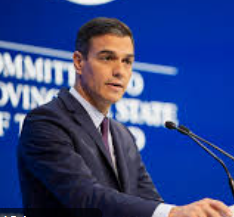
Spain has taken a significant diplomatic step by permanently withdrawing its ambassador from Israel, deepening a rift between the two countries amid growing tensions related to the ongoing wars in Gaza and the wider regional conflict involving Iran.
The decision marks a major escalation in Spain’s criticism of Israel’s military actions and its broader handling of the Middle East crisis. Although diplomatic relations between the two nations have not been formally severed, the move signals a sharp deterioration in ties and represents one of the strongest forms of diplomatic protest short of breaking relations entirely.
Spain had initially recalled its ambassador in late 2025 as tensions mounted over Israel’s military campaign in Gaza. Since then, relations have remained strained, with Madrid repeatedly calling for an immediate ceasefire, greater humanitarian access to Gaza, and stronger international oversight of the conflict. By formally withdrawing the ambassadorial post, Spain has now institutionalized that earlier recall.
Under the new arrangement, Spain’s diplomatic mission in Tel Aviv will continue to operate but will be headed by a chargé d’affaires rather than a full ambassador. This downgrade in representation reflects Madrid’s continued dissatisfaction with Israel’s policies while maintaining a limited diplomatic channel between the two countries.
The decision also comes amid heightened regional tensions linked to the widening conflict involving Iran. Spain has voiced strong concerns about military escalation in the region, warning that the expanding conflict risks destabilizing the Middle East and undermining international security. Spanish officials have urged restraint and renewed diplomatic engagement to prevent further escalation.
Spain’s stance is consistent with a broader foreign policy approach that has increasingly emphasized humanitarian law, multilateral diplomacy, and support for Palestinian statehood. The country formally recognized the State of Palestine in 2024, a move that already strained relations with Israel and placed Spain among a small group of European Union members to take such a step.
While the withdrawal of an ambassador does not amount to a complete diplomatic break, it sends a clear political signal. The move underscores Spain’s deepening frustration with the direction of the conflict and its willingness to use diplomatic pressure to express that position on the international stage.
As the regional crisis continues to evolve, the long-term impact of Spain’s decision on European diplomacy and broader international efforts to address the conflict remains to be seen.