
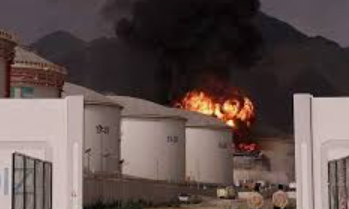
The world is entering a period of heightened instability, driven by escalating geopolitical tensions, a deepening energy crisis, and mounting economic pressure. Recent developments—particularly in the
Middle East—are reshaping global markets, testing international alliances, and raising concerns about the trajectory of the global economy.
Escalating Conflict in the Middle East
At the center of the current global crisis is a rapidly intensifying conflict involving key regional and international actors, including Iran, Israel, and the United States. What began as a series of targeted military strikes has expanded into a broader confrontation with significant humanitarian and strategic consequences.
The scale of the conflict has grown quickly, with increasing casualties and widespread infrastructure damage reported across affected areas. Analysts warn that the situation risks evolving into a wider regional war, particularly as additional state and non-state actors become involved.
Global Energy Shock
One of the most immediate global impacts of the conflict has been severe disruption to energy supplies. The Strait of Hormuz—a critical artery for global oil transportation—has experienced significant instability, restricting the flow of crude النفط to international markets.
As a result, oil prices have surged sharply, approaching or exceeding $100 per barrel in recent trading. Market volatility remains high, with some projections suggesting prices could climb further if disruptions persist. This shock is already translating into higher fuel costs, increased transportation expenses, and rising production costs across industries.
Mounting Economic Pressure
The energy crisis is feeding into broader economic challenges. Financial markets have become increasingly volatile, while inflationary pressures are intensifying worldwide. Policymakers are now grappling with the risk of stagflation—a combination of slow economic growth and persistent inflation.
Major economies and institutions, including the Group of Seven (G7), have convened emergency discussions to assess the situation and coordinate responses. However, uncertainty remains high, and the effectiveness of policy interventions is yet to be seen.
Rising Global Tensions
Beyond the immediate conflict zone, geopolitical tensions are escalating across multiple regions. The crisis is placing strain on existing alliances and amplifying rivalries among global powers. Military readiness levels have increased in several countries, while diplomatic channels are under pressure to prevent further escalation.
This environment has revived concerns about the possibility of a broader international conflict, particularly if miscalculations or unintended escalations occur.
Additional Flashpoints
The situation is further complicated by ongoing conflicts and geopolitical challenges elsewhere. The war in Ukraine continues to impact global food and energy markets, while disruptions to international trade routes are affecting supply chains worldwide.
Sectors such as aviation, shipping, and logistics are already experiencing operational challenges, with delays and cost increases becoming more widespread.
Outlook: A Fragile Global Landscape
The convergence of military conflict, energy disruption, and economic instability presents a complex and fragile global landscape. While diplomatic efforts are ongoing, the path forward remains uncertain.
In the near term, much will depend on whether the conflict in the Middle East can be contained and whether global powers can coordinate effectively to stabilize energy markets and support economic resilience.
For businesses, policymakers, and individuals alike, the current moment demands close attention, strategic planning, and adaptability in the face of rapidly evolving global conditions.










