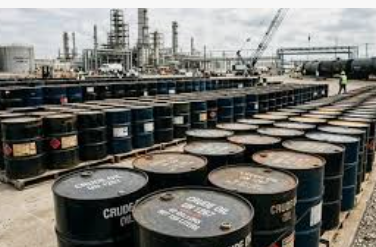
A major disruption to global oil supply is sending shockwaves through international energy markets, as escalating geopolitical tensions in the Middle East threaten to destabilize the global economy.
Industry estimates indicate that approximately 10 million barrels of oil per day have been affected—making this the largest supply shock in modern history. The disruption is closely tied to rising conflict involving Iran, Israel, and the United States, which has intensified in recent weeks and drawn global concern.
Strategic Chokepoint Under Pressure
At the center of the crisis is the Strait of Hormuz, a vital maritime route through which a significant portion of the world’s oil supply passes. Disruptions in this narrow passage have slowed or halted shipments, tightening supply and driving volatility across global markets.
Energy analysts warn that continued instability in the region could further restrict flows, exacerbating supply shortages and pushing prices higher.
Prices Surge Amid Market Uncertainty
Global oil prices have surged toward—and in some cases beyond—$100 per barrel, reflecting growing concerns over supply constraints. Traders are responding to both immediate disruptions and the risk of prolonged instability, with some forecasts suggesting prices could climb even higher if the situation deteriorates.
The price spike is already having a ripple effect across economies, increasing fuel costs, raising transportation expenses, and adding pressure to inflation rates worldwide.
Economic Risks Mount
The scale of the disruption is fueling fears of broader economic consequences. Policymakers are increasingly concerned about the possibility of stagflation, as rising energy costs combine with slowing economic growth.
Major economies, including members of the Group of Seven (G7), have begun emergency consultations aimed at stabilizing markets and coordinating potential responses. However, uncertainty remains high, and the effectiveness of any intervention is far from guaranteed.
A Fragile Outlook
While diplomatic efforts are ongoing, the situation remains highly volatile. The trajectory of the crisis will depend largely on whether tensions in the Middle East can be contained and critical supply routes secured.
For now, the global economy faces a period of heightened risk, as the largest oil supply disruption in history underscores the vulnerability of interconnected energy systems in times of geopolitical conflict.