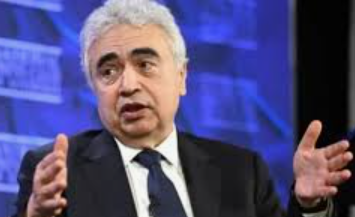
The head of the International Energy Agency has issued a stark warning: the unfolding global energy crisis will spare no nation, with ripple effects expected to touch economies, industries, and households worldwide.
Speaking amid rising geopolitical tensions and market instability, IEA Executive Director Fatih Birol cautioned that the interconnected nature of today’s energy systems means disruptions in one region can quickly cascade across continents. From fuel prices to electricity supply, the impacts are already being felt far beyond traditional energy-producing zones.
At the core of the concern is the vulnerability of global supply chains. Key transit routes, strained production levels, and growing political uncertainty have combined to create a fragile balance—one that could tip further if current tensions escalate. Analysts point in particular to chokepoints like the Strait of Hormuz, where any disruption could significantly tighten global oil supply.
The warning also highlights a broader economic risk. Higher energy costs tend to drive inflation, slow industrial output, and increase the cost of living—especially in developing economies that rely heavily on imported fuel. In such environments, even short-term price spikes can translate into long-term financial strain.
Birol emphasized that while some countries may have stronger reserves or diversified energy mixes, none are fully insulated. “Energy markets are deeply interconnected,” he noted, underscoring that shocks in supply or pricing inevitably spread through trade, transport, and global finance.
The message from the IEA is clear: the current crisis is not confined to one region or one resource. It is a systemic challenge—one that requires coordinated international responses, strategic reserves, and accelerated investment in alternative energy sources.
As uncertainty continues to cloud the global outlook, the agency’s warning serves as a reminder that in today’s energy landscape, resilience is shared—and so are the risks.