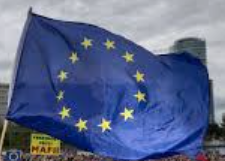
Political tensions are intensifying across Europe as mass protests are being organized in response to the rising influence of far-right movements in several countries.
Coalitions of civil society groups, labor unions, student organizations, and political activists are mobilizing across major cities, planning coordinated demonstrations aimed at opposing what they describe as the normalization of extremist rhetoric and policies. The protests are expected to draw significant participation, reflecting a broader unease about the direction of political discourse in the region.
At the center of the unrest is the growing electoral strength and visibility of far-right parties, many of which have gained traction by campaigning on anti-immigration platforms, national identity, and economic protectionism. Supporters argue these movements reflect legitimate public concerns, while critics warn they risk undermining democratic norms and social cohesion.
Major European capitals—including Paris, Berlin, Rome, and Madrid—are preparing for large-scale gatherings, with authorities balancing the need to protect freedom of expression against concerns over public safety and potential clashes between opposing groups.
The surge in activism highlights deepening political polarization across the continent. Divisions over immigration, economic inequality, national sovereignty, and cultural identity have become increasingly pronounced, shaping electoral outcomes and public debate.
Analysts note that Europe is entering a period of heightened political volatility, where public demonstrations and grassroots mobilization are likely to play a larger role in shaping policy agendas and government stability.
Broader Implications
The rising tensions could have several consequences:
- Increased pressure on governments to address voter concerns more directly
- Potential disruptions to economic activity in major urban centers
- Heightened scrutiny of democratic institutions and electoral processes
At the same time, the wave of protests underscores the resilience of civic engagement in Europe, as citizens take to the streets to voice their views and influence the political landscape.
Conclusion
As protests unfold and political movements continue to gain momentum, Europe faces a critical moment. The challenge for policymakers will be to navigate rising polarization while maintaining democratic stability and social cohesion in an increasingly divided environment.