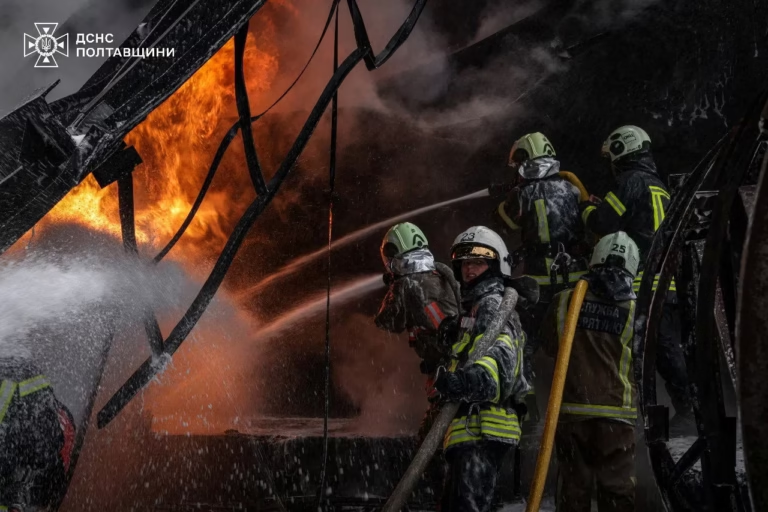

Qatar and Egypt have issued a strong and coordinated call for regional de-escalation, warning that continued geopolitical tensions pose a growing threat to global energy security and economic stability.
Their message reflects increasing concern among key regional actors that unresolved conflicts and rising hostilities could have far-reaching consequences beyond immediate political boundaries.
In recent statements, both nations emphasized the urgent need for restraint, dialogue, and diplomatic engagement. They cautioned that escalation in already fragile areas—particularly those tied to vital energy infrastructure and transportation routes—could disrupt global supply chains and trigger significant volatility in international markets. With the Middle East serving as one of the world’s most critical hubs for oil and gas production and transit, any instability in the region has immediate implications for energy-importing and exporting nations alike.
Qatar, one of the world’s leading exporters of liquefied natural gas, has consistently positioned itself as a mediator in regional conflicts. Its diplomatic strategy has often centered on maintaining open lines of communication with diverse actors, even in highly polarized situations. In calling for de-escalation, Qatari officials underscored the importance of preserving stability in maritime corridors and energy facilities, which are essential for maintaining steady global supply. Any disruption, they warned, could not only affect prices but also undermine long-term confidence in energy markets.
Egypt, meanwhile, has highlighted the broader security implications of regional unrest. As a nation strategically located near key maritime routes such as the Suez Canal, Egypt plays a vital role in global trade and energy transit. Egyptian authorities warned that escalating tensions could endanger critical chokepoints, potentially leading to delays, increased shipping costs, and heightened risks for international commerce. The country’s leadership stressed that safeguarding these routes is not only a regional priority but a global necessity.
The joint appeal from Qatar and Egypt comes amid heightened geopolitical uncertainty, with multiple flashpoints contributing to a complex and volatile environment. While the countries did not single out specific actors in their statements, the underlying message was clear: unchecked escalation could have cascading effects that extend far beyond the immediate parties involved. This includes the potential for disruptions in oil production, damage to infrastructure, and threats to maritime security.
Energy security has become an increasingly pressing concern in recent years, particularly as global demand continues to evolve and supply chains face new challenges. The interconnected nature of modern energy systems means that disruptions in one region can quickly ripple across the world. For instance, instability affecting major shipping lanes can delay deliveries, tighten supply, and drive up prices, impacting everything from industrial production to household energy costs.
Both Qatar and Egypt stressed that maintaining stability requires a collective effort from regional and international stakeholders. They called on all parties to prioritize diplomatic solutions and avoid actions that could exacerbate tensions. This includes refraining from military escalation, protecting civilian infrastructure, and ensuring the continued flow of energy resources.
The emphasis on dialogue reflects a broader recognition that long-term stability cannot be achieved through force alone. Diplomatic engagement, confidence-building measures, and multilateral cooperation are essential components of any sustainable solution. Qatar’s track record in mediation and Egypt’s influence in regional politics position them as key players in efforts to de-escalate tensions and promote constructive dialogue.
Beyond the immediate security concerns, the warnings from Qatar and Egypt also highlight the economic stakes involved. Energy markets are highly sensitive to geopolitical developments, and even the perception of risk can lead to price fluctuations. For countries heavily dependent on energy imports, such volatility can strain budgets and disrupt economic planning. Conversely, for exporters, instability can affect production levels and revenue streams.
The potential impact on global markets underscores the importance of proactive measures to mitigate risks. This includes strengthening international cooperation, enhancing the resilience of energy infrastructure, and diversifying supply sources. While these strategies can help reduce vulnerability, they cannot fully offset the effects of major disruptions, making prevention and de-escalation all the more critical.
Another key aspect of the joint warning is the focus on maritime security. Many of the world’s most important energy routes pass through narrow waterways that are particularly vulnerable to disruption. Ensuring the safety and security of these corridors is essential for maintaining the uninterrupted flow of oil and gas. Both Qatar and Egypt emphasized that any threat to these routes could have immediate and significant consequences for global energy markets.
In addition to physical security risks, cyber threats to energy infrastructure have also emerged as a growing concern. Modern energy systems rely heavily on digital technologies, making them potential targets for cyberattacks. While not explicitly mentioned in their statements, the broader context of energy security increasingly includes the need to protect against such threats, further complicating the challenge of maintaining stability.
The call for de-escalation also reflects a broader shift toward recognizing the interconnected nature of global security. Conflicts that may appear localized can have far-reaching implications, affecting everything from trade and investment to migration and humanitarian conditions. By urging restraint, Qatar and Egypt are effectively highlighting the need for a more holistic approach to security—one that considers the wider impact of regional dynamics.
International response to such calls often plays a crucial role in determining their effectiveness. Support from major global powers, as well as international organizations, can help reinforce the message and encourage compliance. While it remains to be seen how other actors will respond, the joint appeal from Qatar and Egypt adds to a growing chorus of voices advocating for calm and cooperation.
The situation also raises important questions about the future of energy security in an increasingly uncertain world. As geopolitical tensions persist and new challenges emerge, the need for robust and adaptable strategies becomes ever more apparent. This includes not only addressing immediate risks but also investing in long-term solutions that enhance resilience and sustainability.
Renewable energy, for example, is often cited as a way to reduce dependence on traditional energy sources and mitigate the impact of geopolitical disruptions. However, the transition to renewable energy is a complex and gradual process, meaning that oil and gas will continue to play a central role in the global energy mix for the foreseeable future. As such, ensuring the stability of these resources remains a top priority.
In this context, the warnings from Qatar and Egypt serve as a timely reminder of the delicate balance that underpins global energy systems. Stability in key regions is not just a regional concern but a global imperative. Disruptions can have cascading effects that extend far beyond the immediate area, affecting economies and societies around the world.
Ultimately, the call for de-escalation is both a caution and an appeal. It underscores the risks associated with continued tensions while also offering a path forward based on dialogue and cooperation. Whether this message will be heeded remains uncertain, but its importance is clear.
As the world continues to navigate a complex and evolving geopolitical landscape, the role of responsible leadership and effective diplomacy cannot be overstated. The joint stance taken by Qatar and Egypt highlights the potential for regional actors to contribute to stability and underscores the importance of collective efforts to address shared challenges.
In the coming weeks and months, developments in the region will be closely watched by governments, markets, and analysts alike. The stakes are high, and the consequences of inaction or miscalculation could be significant. Against this backdrop, the call for de-escalation stands as a critical reminder of the need to prioritize peace, stability, and the secure flow of energy resources that underpin the global economy.