A proposed Easter ceasefire in the war between Russia and Ukraine is already under strain, as renewed attacks and deep-rooted mistrust raise doubts about whether even a temporary pause in fighting can hold.
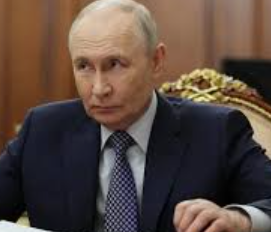
The truce, announced by Vladimir Putin and cautiously acknowledged by Volodymyr Zelenskyy, was intended to mark Orthodox Easter—a moment traditionally associated with reflection and peace. Instead, it has exposed the fragile reality of diplomacy in an ongoing war.
A Symbolic Gesture Meets Harsh Reality
On paper, the ceasefire represents a rare point of alignment. Both sides signaled openness to a short pause, raising hopes for humanitarian relief and a potential opening for broader negotiations.
But timing has quickly undermined those expectations.
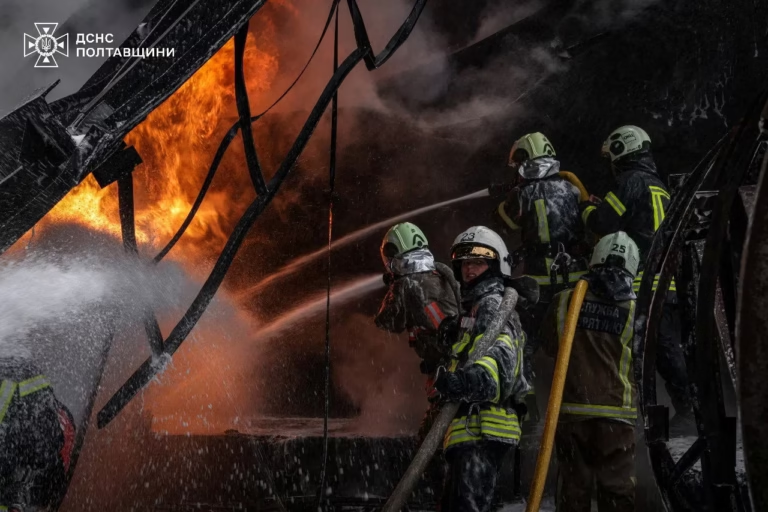
Reports of deadly strikes—occurring just as the truce was being discussed—have cast immediate doubt on the credibility of the pause. For many in Ukraine, the contrast is stark: declarations of peace alongside continued violence.
The Weight of History
Skepticism surrounding the ceasefire is not new. Previous attempts at temporary truces—especially around religious holidays—have frequently collapsed, often within hours.
This history shapes current expectations. In Kyiv, officials and civilians alike view such announcements with caution, wary of repeating a cycle where ceasefires are declared but not fully observed.
Trust, once eroded, is difficult to rebuild.
Limited Scope, Larger Conflict
Even if partially observed, the Easter truce is narrow in scope. It does not address the core issues driving the conflict:
- Territorial control
- Security guarantees
- Long-term political settlement
Without progress on these fronts, any pause is likely to remain temporary—offering relief without resolution.
Diplomacy Under Pressure
Ukraine has indicated interest in extending the ceasefire into a longer-term arrangement, framing it as a step toward meaningful negotiations.
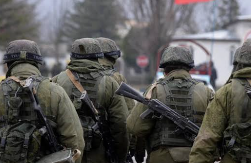
However, the broader diplomatic landscape remains strained. Both sides continue to maintain military readiness, and neither has signaled a willingness to make major concessions.
In this context, diplomacy is not replacing conflict—it is unfolding alongside it.
The Bigger Picture
The uncertainty surrounding the Easter ceasefire reflects a deeper truth about the war: symbolic moments, while important, cannot substitute for sustained political agreement.
The conflict has reached a stage where:
- Military actions continue to shape outcomes
- Short-term truces carry limited impact
- Long-term peace remains elusive
The Bottom Line
The Easter ceasefire was meant to offer a brief pause in a prolonged war. Instead, it has highlighted just how fragile even temporary peace can be.
With fresh strikes clouding the moment, the truce risks becoming another reminder that in the current phase of the conflict, hope for pause does not yet translate into trust—or lasting peace.