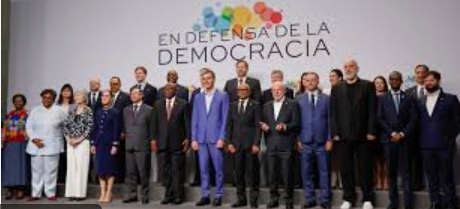
Out of Havana, Madrid, and Mexico City on April 18 comes a shared stance: Brazil, Mexico, and Spain
stand behind Cuba’s right to self-determination. Tensions around the Caribbean country grow sharper by the day. Still, these three nations stress calm responses over escalation. Instead of pressure, they push for talks. Their message spreads quietly but clearly – sovereignty matters, even when disputes flare nearby.
Together, leaders from the trio stressed respect for global rules, making clear that meddling might worsen tensions. Their messages, released at once, highlighted staying out of internal affairs. Pushing too hard from outside, they said, risks tipping things into deeper chaos. Calm restraint was framed as the better path forward.
From Havana’s point of view, talks work better than standoffs. Officials insisted cooler heads must prevail when issues come up. Instead of snap decisions, patience keeps things from getting worse. Jumping ahead without consensus tends to backfire. Quiet discussion behind closed doors beats public confrontations every time. Pressure tactics rarely help, they noted. Missteps pile up when one side acts alone.
A warning spreads through diplomatic circles as Havana feels the squeeze of tighter trade limits, caught in a web of sanctions that keep tightening. Some nations across Europe plus parts of Latin America are speaking out, their voices rising over what they see as unfair treatment. Pressure builds not just on markets but on politics too, where decisions made far away shape life on the island.
From diplomatic circles came word that the shared position ties into wider moves by certain nations to stress sovereignty and borders – especially as global power dynamics shift. Though quiet, these efforts trace back years, shaped by rising tensions between major states. Not every country agrees, yet the message remains clear amid changing alliances.
Though none of the three governments pointed to particular individuals, experts believe these remarks are largely interpreted as reacting to U.S. actions concerning Cuba.
Officials in the United States did not reply right away.
Still, gaps remain between nations dealing with Cuba – some push for talks, while others stick to penalties instead. How long that split lasts depends on who’s listening, not just who’s speaking.