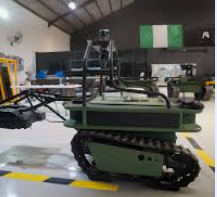
Soldiers in Nigeria have introduced fresh tools made to work without people driving them. These include flying machines that move through air on their own. Rolling units now travel land areas without anyone inside. The shift comes as violence from rebel groups pushes the military to adapt. New gear aims to handle dangers across wide regions.
Technology helps watch distant spots hard for troops to reach. Machines run missions while keeping humans out of harm’s way. Updates respond directly to ongoing attacks in different zones. Equipment adjusts fast when situations change suddenly. Defense teams see these steps as practical moves forward. Progress shows in how forces meet modern combat demands.
Out in the open, these setups work alongside homegrown tech teams. Drones built into the mix spot danger from above, then move fast when needed – no waiting. Instead of people, robots take on mines, clearing blasts before they happen. Each unit rolls through war-torn areas without putting lives at risk. Together, they shift how safety works where explosions lurk beneath.
Out there, where roadside bombs and surprise attacks still happen often, new gear is meant to keep soldiers safer. Officials point out that using these tools could make missions run smoother. Instead of facing danger head on, troops might rely more on tech to get tasks done. In tough areas, the shift may lower how many people are exposed to harm. When threats hide in plain sight, even small changes can matter. Efficiency gains come not just from speed but from smarter moves behind the scenes.
A move like this pushes the update of military workflows using smart tools forward, according to a defense representative. The tech will aid mission speed while boosting intel collection, they noted.
Fighting has dragged on for years in Nigeria’s northeast, while lawlessness spreads elsewhere through armed gangs and abductions. This stretch pushes military units to try new ways just to keep up. Solutions emerge slowly under such strain.
Some experts believe this step shows Nigeria wants to build its own weapons systems instead of depending so much on imported gear. What lies behind it is a growing effort across the continent’s largest country to strengthen local military production. Not just about saving money – this shift aims at gaining more control over security tools. Driven partly by past supply issues, the plan pushes domestic innovation in arms manufacturing. A quiet transformation seems underway, shaped by necessity rather than ambition. Independence in defense tech slowly becomes a priority for national planners.
Out there, machines run on their own might soon watch more closely, strike closer to the mark, move smarter across combat zones – military shifts step by step as threats change shape. A new rhythm takes hold when tech moves without waiting. Decisions happen faster now, not because they’re wiser but because delay gets punished. Watching everything becomes normal, not by choice but by pressure. Hitting targets adjusts itself, less guesswork involved. Coordination finds new paths, not through orders but timing. Systems link up quietly while old methods fade behind smoke.