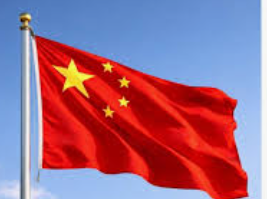
Friday saw Beijing roll out sweeping tariff exemptions for goods from 53 African nations, a move that quietly reshapes global trade dynamics. One by one, barriers dissolve as China steps into uncharted
diplomatic territory. Not since colonial times has any large economy opened its doors so wide without demanding immediate returns. The shift didn’t come with speeches – just updated customs codes and revised import rules taking effect at dawn.
Across cities like Nairobi and Dakar, exporters watched closely as shipping manifests changed overnight. This isn’t generosity; it’s recalibration of influence through quiet economic channels. Long-standing trade patterns now face pressure from an unlikely source – one that favors patience over fanfare. Diplomacy here wears no banners, just paperwork stamped with new permissions.
On May 1, 2026, the new rule started. It now covers every African country that has official relations with China, not just the original 33 poorest ones. Tariffs have vanished for many goods once taxed by China – cocoa, coffee, and wine among them – as high as 30 percent before. That shift opens trade lanes wider than seen earlier.
MARKET ENTRY
A shipment of South African apples, weighing 24 tonnes, passed through customs in Shenzhen on Friday morning, marking the start of the initiative. While the policy rolls out, twenty additional countries – not classified as Least Developed Countries – gain access to favorable trade terms until at least April 30, 2028.
Now hitting $348 billion in 2025, trade between China and Africa marks a peak after twelve months of intense back-and-forth. Though quiet at first, the exchange grew sharper by each quarter.
GLOBAL SOUTH ALIGNMENT
Now comes China’s push for freer trade, cast as part of its role among developing nations while rich countries pull up barriers. Not merely about moving more ores abroad, the plan aims to boost African factories so finished items flow out instead of only unrefined resources. What stands behind this? A shift meant to reshape how Africa sells beyond borders, guided by Beijing’s long-term reach.
STRUCTURAL CHALLENGES
Even with fewer trade restrictions, deep-rooted challenges still linger. African goods sent to China mostly consist of unprocessed resources. To truly benefit from zero tariffs, growth in homegrown manufacturing may be needed, say specialists.
On top of that, tough Chinese rules on tech specs and food safety make it hard for smaller African farms to sell their goods into the massive market. Each shipment has to pass layers of inspection nobody saw coming. Size doesn’t help when paperwork piles up faster than harvests. Meeting these demands eats time like drought takes crops. Smaller players often stall before even reaching port.